
PET Scan Imaging for Tumors: A Comprehensive Guide to Diagnosis and Follow-up in Jordan
PET Scan Imaging for Tumors: A Comprehensive Guide to Diagnosis and Follow-up in Jordan
PET scans, or positron emission tomography, have become essential tools for the accurate diagnosis and monitoring of tumors. In Jordan, hospitals and specialized medical centers offer advanced PET scan services to patients, helping physicians determine the location, size, and activity of tumors, as well as detecting any spread of the tumor to other parts of the body at an early stage. This article will comprehensively cover everything related to PET scans for tumors, from pre-procedure preparation and scan duration to the procedure itself, expected results, and the importance of this specialty in healthcare.
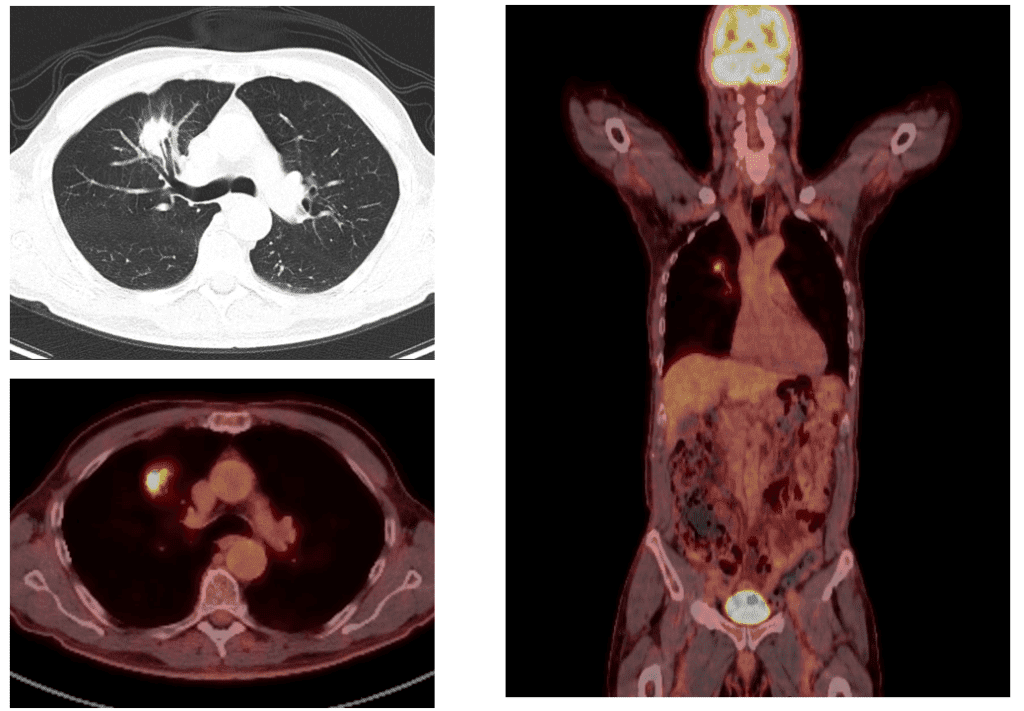
What is a PET scan for tumors?
A PET scan is an advanced nuclear imaging technique that uses safe radioactive materials known as PET. Radiotracers To determine the metabolic activity of cells in the body. Cancer cells are usually more active than normal cells, so they absorb a larger amount of radioactive material, making them more visible in images. A PET scan helps to locate malignant or benign tumors, assess their size and activity, and thus allows doctors to develop a precise treatment plan.
The importance of PET scan in tumor diagnosis
Specialization in PET scan imaging has become essential for any medical center specializing in cancer treatment. The benefits include:
- Early diagnosis of tumors before the appearance of visible symptoms.
- Accurately determine the stage of the cancer and the extent of its spread.
- Monitoring the effectiveness of chemotherapy or radioactive.
- Detection of secondary tumors or relapses after treatment.
- Providing accurate data to doctors to develop customized treatment plans for each patient.
Preparing for a PET Scan
Proper preparation before a PET scan is important to ensure accurate results. Some steps include:
- Refrain from eating for 4–6 hours before the examination, drinking only water.
- Inform your doctor about any medications you are taking, especially diabetes or heart medications.
- Avoid strenuous physical activity the day before the scan, to avoid its effect on the distribution of the radioactive material.
- Wear comfortable, metal-free clothing.
- Report pregnancy or breastfeeding if applicable to the patient.
- Avoid consuming large amounts of sugar before the examination, as it may affect the absorption of the radioactive material.
Duration of PET Scan for Tumors
Typically, a PET scan takes between 60 and 90 minutes and includes:
- The radioactive material is injected and 30–60 minutes are waited for it to spread throughout the body.
- The actual imaging of the body takes approximately 20–40 minutes depending on the area to be imaged.
- Some patients may require additional time if additional areas need to be imaged or a full-body scan is needed.
How to perform a PET scan
The PET scan procedure is performed under the supervision of doctors and nuclear radiologists, following precise steps:
- Lying on a movable table that fits inside the PET Scanner.
- High-resolution imaging of cell activity in the body.
- There is no pain during the examination, and the patient may feel cold or a slight sensation of the radioactive material.
- After the examination, one can return to normal activities while drinking water to speed up the elimination of the radioactive material.
Expected results from PET Scan
PET scan results provide doctors with accurate information about tumors:
- Accurately locate the tumor within the body.
- Knowing the size of the tumor and its metabolic activity.
- Assessing how well the tumor responds to chemotherapy or radiation therapy.
- Early detection of any new tumors or relapses after treatment.
- Providing accurate data to develop a personalized treatment plan for each patient.

PET Scan Uses for Tumors by Type
PET scan technology is used to monitor various types of cancer, including:
- Breast cancer: To determine the size of the tumor and its spread to the lymph nodes.
- Lung cancer: To detect primary and secondary tumors.
- Colon and stomach cancer: to assess response to treatment and surgery.
- Thyroid and lymphoid tissue cancer: to monitor the effectiveness of treatment and track relapses.
Tips after a PET Scan
- Drinking large amounts of water helps speed up the elimination of the radioactive material.
- Continue to follow any additional instructions provided by the medical team.
- Avoid direct contact with children and pregnant women for short periods as instructed by the doctor.
- Review the results with the specialist doctor to interpret them correctly and develop an appropriate treatment plan.
The importance of PET Scan specialization in Jordan
Specialization in tumor imaging using PET Scan has become a cornerstone in Jordanian hospitals, due to its numerous benefits:
- Providing accurate and rapid diagnosis of various tumors.
- Helping doctors develop effective treatment plans for each patient.
- Reducing the need for diagnostic surgical procedures.
- Early detection of relapses or new tumors after treatment.
- Enhancing the quality of healthcare in Jordan and keeping pace with the latest global technologies.
a summary
PET scans are an indispensable tool in tumor diagnosis and monitoring. With proper preparation, understanding the procedure's duration and technique, and comprehending the results, physicians can achieve optimal patient outcomes. In Jordan, with medical advancements and specialized expertise in PET scans, advanced care, accurate diagnosis, and effective patient follow-up are now available, ensuring... Improving quality of life and increasing the chances of successful treatment.
