Table of Contents
It is Neurology in adults One of the medical fields that has witnessed tremendous scientific advancements in the last decade is neurology. By 2025, a diagnosis of a neurological disease will no longer signify the end of hope, but rather the beginning of a therapeutic journey based on biotechnology and artificial intelligence. In this article, we will explore in detail everything you need to know about it. Neurology in adultsThe diseases that brain doctors treat, and the latest drugs that have changed the lives of millions.
What specialties does adult neurology encompass?
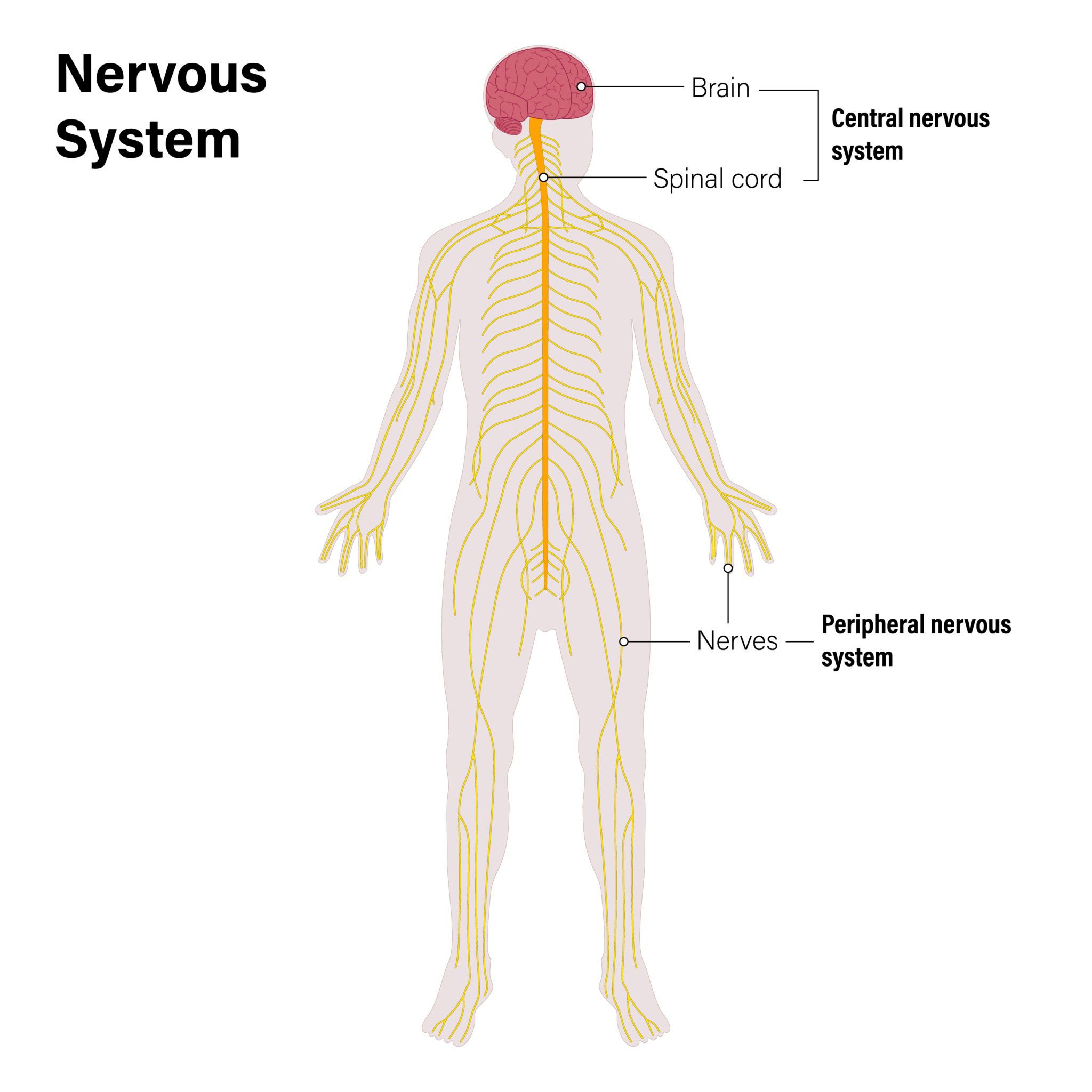
Neurologists work to diagnose and treat disorders that affect the human body's "control panel." These include Neurology in adults the following:
- Brain disorders: Such as tumors, epilepsy, and strokes.
- Spinal cord diseases: Such as complicated herniated discs and spinal cord infections.
- Peripheral nerve disorders: For example, diabetic neuropathy.
- Autoimmune diseases: Most notably, multiple sclerosis.
Latest medications and treatments for neurological diseases in adults (updated 2025)
The years 2024 and 2025 saw the approval of revolutionary drugs by the US Food and Drug Administration (FDA). Here are the most prominent:
1. Alzheimer's treatments (a new era of hope)
We have moved from simply alleviating symptoms to “modifying the course of the disease”.
- Donanemab medication: It received updates in 2025 to reduce side effects. This drug effectively removes amyloid plaques from the brain.
- Lecanemab medication: It has proven highly successful in slowing cognitive decline in patients in the early stages.
- Blood tests (Lumipulse): In 2025, Alzheimer's will be diagnosed through a simple blood test years before symptoms appear, making treatment easier. Neurology in adults In its infancy.
2. Multiple sclerosis (MS) and the biological revolution
- Anti-CD20 therapies: Such as (Ocrevus) and (Kesimpta), which have become the gold standard for controlling disease activity.
- Stem cell transplantation (HSCT): It will become an available option in advanced centers by 2025 to "reset" the immune system of patients who do not respond to traditional medications. You can read more about this technology via [link/website/platform name]. Mayo Clinic website.
3. Parkinson's disease and technological solutions
- Vyalev medicine: Approved by the FDA in late 2024, it is a continuous infusion of Foscarbidopa under the skin, providing unprecedented motor stability for patients with advanced conditions.
- Deep brain stimulation (DBS): Modern devices now use artificial intelligence to automatically adjust electrical pulses according to the patient's needs.
Common disorders in an adult neurology clinic
Epilepsy and seizures
Neurologists treat epilepsy using modern medications such as Libervant (A film placed inside the mouth) for rapid control of recurrent seizures. The goal is always to achieve a seizure-free life with 100%.
Stroke (the silent killer)
Stroke is one of the most dangerous Neurology in adults. Treatment now includes not only clot-dissolving medications but also "mechanical thrombectomy" via cerebral catheterization, which dramatically reduces disability rates. You can follow global recommendations via [link/platform name]. World Stroke Organization.
Headaches and facial pain
Doctors currently use Monoclonal antibodies (CGRP) As a monthly injection, it completely eliminates chronic migraine attacks, a radical shift in treatment. Neurology in adults Functional.
How do you choose the right neurologist?
When searching for a treatment for Neurology in adultsIt is necessary to ensure that:
- Specialization: Is the doctor a specialist in epilepsy, multiple sclerosis, or strokes?
- Equipment: High-resolution magnetic resonance imaging (MRI) and electroencephalography (EMG) technologies are available.
- Medical reputation: You can review patient reviews through trusted medical platforms.
Golden tips for preventing neurological diseases in adults
- Controlling the "Three Killers": Diabetes, high blood pressure, and high cholesterol are the main causes of nerve damage and strokes.
- Deep sleep: In 2025, scientists discovered the “glymphatic” system, which cleanses the brain of toxins during sleep, so insomnia is the number one enemy of the nerves.
- Brain diet: The focus is on the “MIND Diet,” which combines the Mediterranean and DASH diets to reduce the risk of dementia.
Conclusion
Confrontation Neurology in adults It requires a high level of medical awareness and a commitment to modern treatments. Thanks to the remarkable advancements expected in 2025, living a high quality of life is possible despite neurological challenges. Don't hesitate to consult a specialist if you experience any unusual symptoms such as numbness, persistent dizziness, or difficulty concentrating.
Read also:Your comprehensive guide to nervous system health