
Pilonidal sinus:
Hair folliculitis, or pilonidal cystIt is one of the common skin problems that appear below the spine, in the area coccyx It appears directly. Although it may start small and painless, it can become chronic if infected. It often occurs among young people, especially men who spend long periods sitting, such as drivers or office workers.
This article aims to provide a comprehensive guide about Causes of pilonidal cysts, symptoms, methods of diagnosis, surgical and non-surgical treatment, prevention, and potential complications. pilonidal cyst

What is a hair cyst?
hair follicle is Abnormal hair growth under the skinThis can cause inflammation and pain when pressed. It often occurs in coccyx area This is due to the hair growing inwards, which leads to the formation of a cyst containing pus and dead cells.
In advanced cases, it can cause chronic abscess or purulent tunnelThis affects an individual's daily quality of life. Pilonidal fistula
Causes of hair cysts
There are many factors that contribute to the appearance of a pilonidal cyst, including:
- Deep hair
- This occurs when hair grows into the skin instead of outwards, causing irritation and inflammation.
- prolonged sitting
- Constant pressure on the lower back area increases the likelihood of cyst formation.
- Friction and tight clothing
- Constant friction or tight clothing increases the chance of skin irritation and cyst formation.
- genetic factors
- Some people are more prone to developing a pilonidal cyst due to their skin type or hair density.
- Poor personal hygiene
- The accumulation of sweat and dead cells can increase the risk of inflammation.

Symptoms of a hair cyst
Symptoms vary depending on the size of the cyst and the presence of infection, and include:
- small lump or swelling At the bottom of the spine.
- Pain when sitting or moving.
- skin redness Around the bag.
- Foul-smelling pus discharge In case of infection.
- Fever or general fatigue When the infection spreads.
Note: In some cases, the cyst may remain asymptomatic for years and is only discovered when the infection worsens. Pilonidal sinus
Diagnosis of a hair cyst
The diagnosis depends on clinical examination By the doctor, in some cases requiring:
- UltrasoundTo determine the size of the cyst and the extent of its spread.
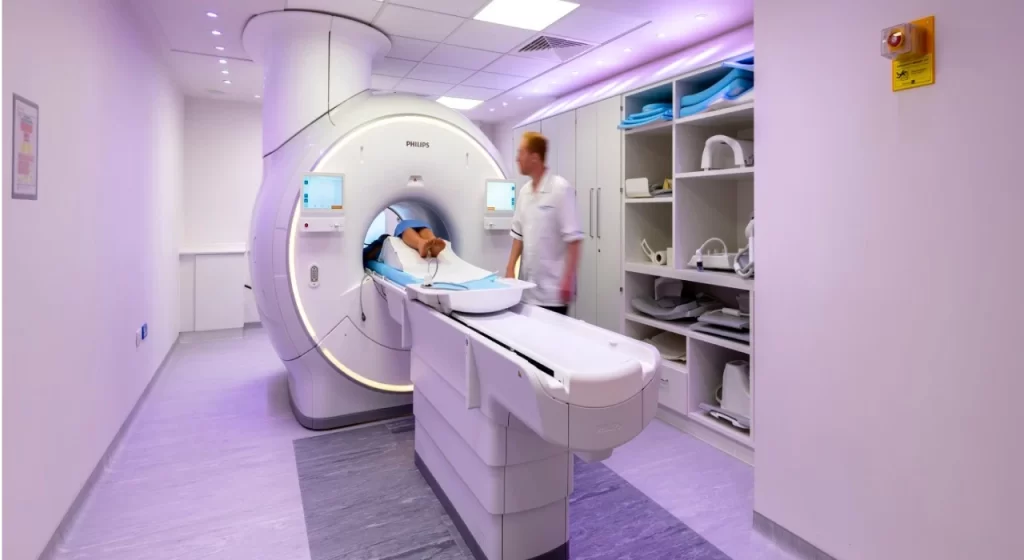
- Magnetic resonance imaging (MRI)In cases of chronic or complicated cysts.
- Analysis of secretionsTo identify the type of bacteria responsible for the infection and develop an appropriate treatment plan. Pilonidal fistula
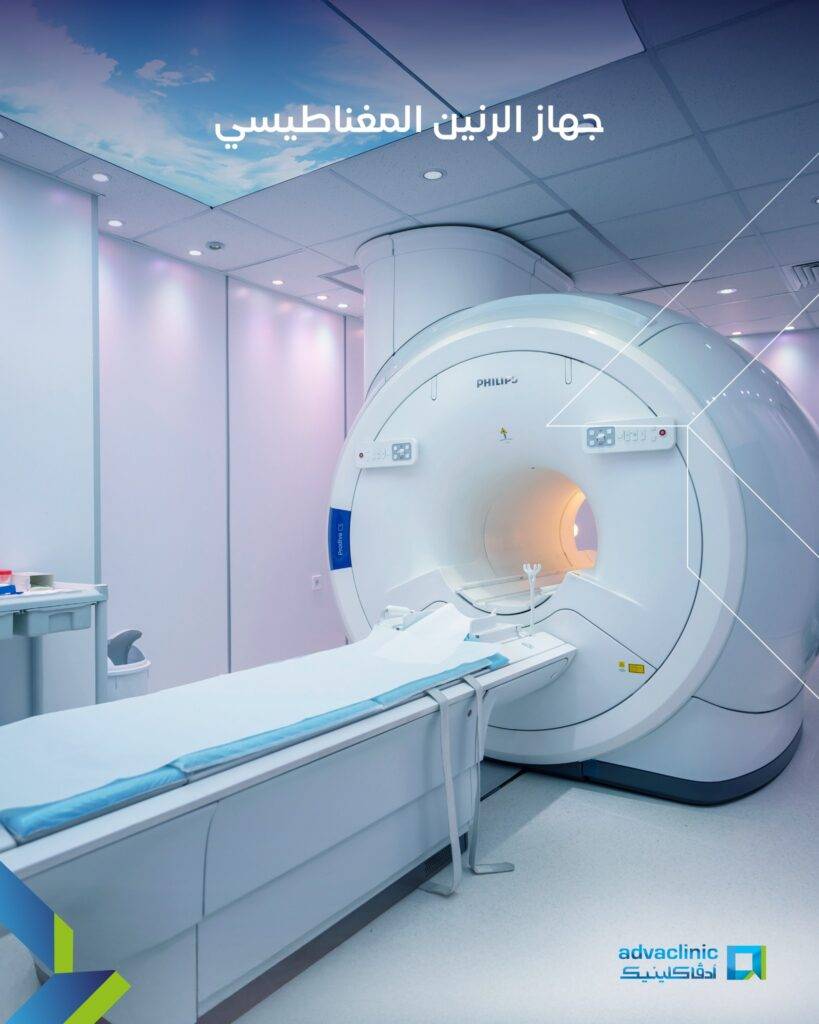
Treatment methods for hair cysts
1. Conservative treatment
In mild cases and those not severely infected, it includes: pilonidal cyst
- Clean the area regularly.
- Remove hair periodically to reduce the likelihood of ingrown hairs.
- Wear loose clothing to reduce friction.
- Use antibiotics when there is a minor infection.
2. Surgical treatment
Chronic or severely infected cases often require surgical intervention. This includes:
- Complete cyst removal (excision)Removing the entire cyst to prevent the problem from recurring.
- Incision and DrainageA temporary solution to relieve pain and infection.
- Modern technologiesSuch as lasers, or minimally invasive surgery to reduce recovery time and improve cosmetic results.
After the procedure, the doctor usually advises maintaining good hygiene and continuing hair removal in the area to prevent recurrence of the cyst. Pilonidal sinus
Prevention of hair cysts
The risk of infection or cyst recurrence after treatment can be reduced through: : Pilonidal sinus
- Keeping the area clean Daily. Pilonidal fistula
- Regular hair removalEspecially if the hair is thick.
- Avoid sitting for long periods Without movement, or using a comfortable pillow to relieve pressure. Pilonidal sinus
- Wear loose clothing To reduce friction.
- Consult a doctor immediately if any symptoms appear To avoid complications. Pilonidal fistula
Complications of a hair cyst
If the cyst is not treated properly, it may lead to:
- Recurrent infection and chronic abscess.
- form Sinus Tract subcutaneous.
- Chronic pain that affects movement and sitting.
- General inflammation if the infection spreads, which may require intravenous antibiotic treatment or urgent surgical intervention.
Important tips after treatment
- Follow the doctor's instructions after the operation.
- Keep the wound clean and change the dressings regularly.
- Avoid prolonged sitting and gradually increase physical activity.
- Watch for any signs of infection such as redness, swelling, or new discharge.
Costs of treating a hair cyst in Jordan
They differ Costs of treating a hair cyst It varies from person to person, depending on several factors such as The size of the cyst, its depth, its current position, and the presence of inflammation or infection..
- Simple cases: Which only requires cleaning the bag and removing the hair, and costs approximately from 70 Jordanian dinars.
- Cases that require surgical removal: The average cost ranges between 350 dinars for traditional surgery and 600 dinars for laser surgery.
- Very advanced cases: Which may develop into anal fistula Due to the severity of the injury, Arrives The cost of the operation to 1200 Jordanian dinars On average, a hair follicle.
Note: Prices are approximate and may vary between hospitals and medical centers depending on the doctor's experience, the technology used, and the accompanying pre- and post-operative services. The process.
🩹 Types of wounds from pilonidal cyst surgery and how to care for each type
The care provided varies depending on the type of surgical procedure used. Generally, there are two main types:
## 1) Open Wound (Open Method)
In this type, the wound is left open without sutures to allow for natural healing from the inside out. Hair folliculitis
How to care for an open wound
- Wash the wound daily with saline solution or warm water and mild soap.
- Dry the area thoroughly using sterile gauze, without rubbing. (Hair sphincter)
- Change the gauze twice daily or as instructed by the doctor.
- Apply an antibiotic ointment if recommended by the doctor.
- Use Medical wick (packing) As instructed, this is the most important step to avoid the formation of internal cavities that could cause pus accumulation. Pilonidal fistula
When will the wound heal?
An open wound usually takes 4–8 weeks For complete healing, the duration may vary depending on the size of the fistula. Pilonidal fistula
## 2) Closed Wound (Closed Method)
In this type, the wound is stitched after the hair follicle is removed, and healing is often faster.
How to care for a closed wound
- Keep the wound dry for 48–72 hours.
- Avoid prolonged sitting or putting pressure on the area. Pilonidal sinus
- Clean the wound gently and change the dressings daily. Pilonidal fistula
- Use an anti-inflammatory cream as prescribed by your doctor. Pilonidal sinus
- Monitor the threads to ensure there is no redness or abnormal discharge. Pilonidal sinus
When will the wound heal?
A closed wound usually takes 10–21 days For healing.
💡 Golden tips to speed up recovery after pilonidal cyst surgery
1. Keep the area clean
The lower back area is prone to moisture and sweating; therefore, it should be washed regularly and dried thoroughly. Pilonidal sinus
2. Hair removal
The doctor often recommends removing the hair around the wound using a pilonidal cyst technique.
- Laser (best and longest duration). Pilonidal sinus
- An electric machine, not a blade (to avoid reopening wounds). A pilonidal cyst.
Hair removal reduces the recurrence rate of fistulas to less than 10%.
3. Avoid prolonged sitting.
Sitting for long hours increases pressure on the wound and may delay healing.
Sitting on a medical pillow may help.
4. Maintaining a healthy weight
Weight gain increases pressure on the area and delays healing. Pilonidal sinus
5. Taking antibiotics
If your doctor prescribes an antibiotic, you must complete the full course of treatment. Pilonidal sinus


Bilal Sultan
November 26, 2025Very useful information
All support continues, Abu Aoun