
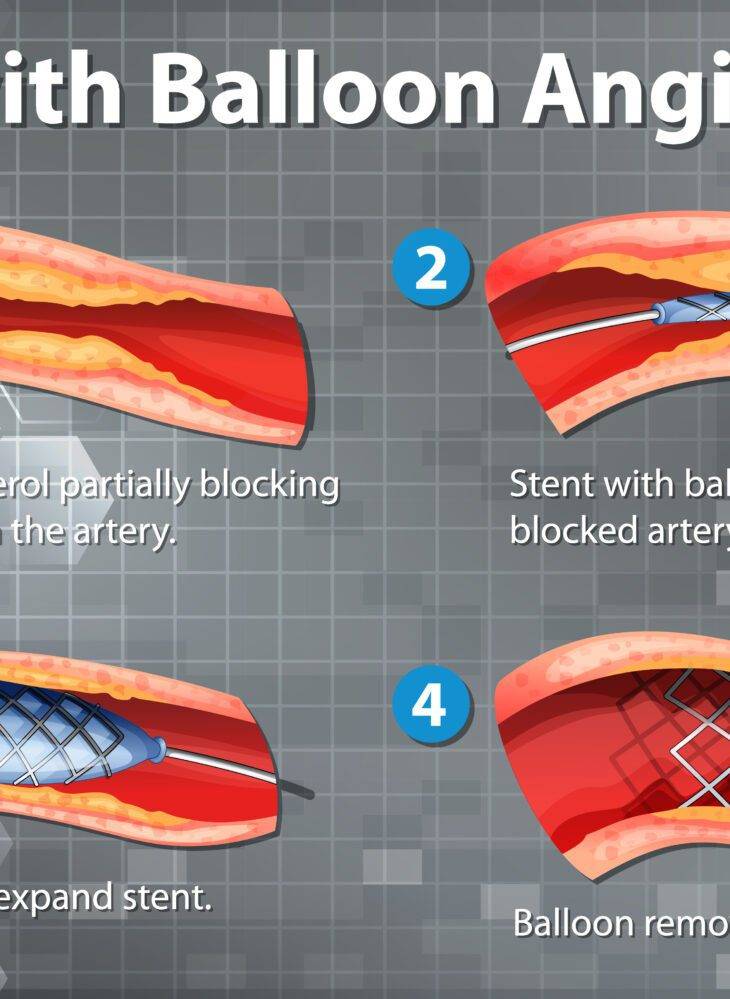
Heart networks Or what is known as cardiac stents (Coronary StentsThis is considered one of the most important medical discoveries that has revolutionized the treatment of coronary artery disease. Since the introduction of cardiac stents in the 1980s, doctors' approach to treating narrowed and blocked arteries has changed dramatically. Instead of relying on open-heart surgery in most cases, patients can now be saved using a simple and quick procedure performed via catheterization, taking less than an hour.
Heart networks It's not just a piece of metal; it's an effective way to prevent artery wall collapse and improve blood flow to the heart muscle, reducing the risk of strokes and significantly improving quality of life. In this comprehensive article, we'll explain everything you need to know about cardiac stents: what they are, what types exist, how the procedure is performed, what the success rate is, and what the risks and post-operative advice are.
What are the heart's networks?
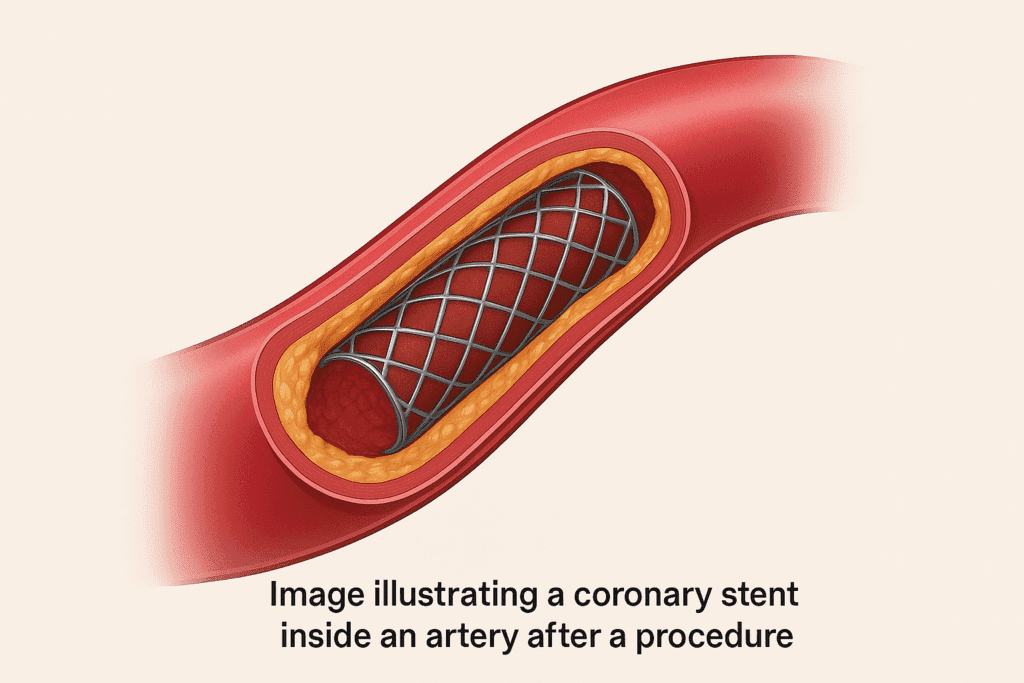
Heart networks These are very small, spiral-shaped metal tubes that are implanted inside the coronary artery during catheterization. Their primary function is:
- Keeping the artery open after widening it
- Preventing artery narrowing again
- Improving blood flow to the heart muscle
Thus, cardiac stents help to reduce the symptoms of angina and prevent future strokes.
When does a patient need to have cardiac stents implanted?
installation Heart networks It becomes necessary when a coronary artery narrows or becomes blocked due to a buildup of fatty deposits within the artery wall (atherosclerosis). This leads to:
- chest pain
- shortness of breath
- Excessive sweating
- palpitation
- Pain in the arm or shoulder
The blockage can lead to a serious heart attack if left untreated.
The most important cases that require cardiac stenting:
1. Acute myocardial infarction
In an emergency situation where delay is not allowed, the stent must be installed within the first two hours to save the heart muscle.
2. Unstable angina
When pain occurs frequently or during rest.
3. Severe narrowing of the artery
Especially if the narrowing exceeds 70%.
4. Failure of drug therapy
When symptoms persist despite the use of medication.
5. Poor results in the stress test
When there is a clear deficiency in blood supply to the heart.
How are cardiac stents implanted? (Step by step)
The installation process Heart networks It is a quick and safe procedure, performed under local anesthesia via cardiac catheterization:
1. Local anesthesia
A mild anesthetic is applied to the hand or thigh.
2. Catheter insertion
A thin tube is inserted towards the heart's arteries using X-rays.
3. Angiography
Injecting dye to precisely locate the blockage.
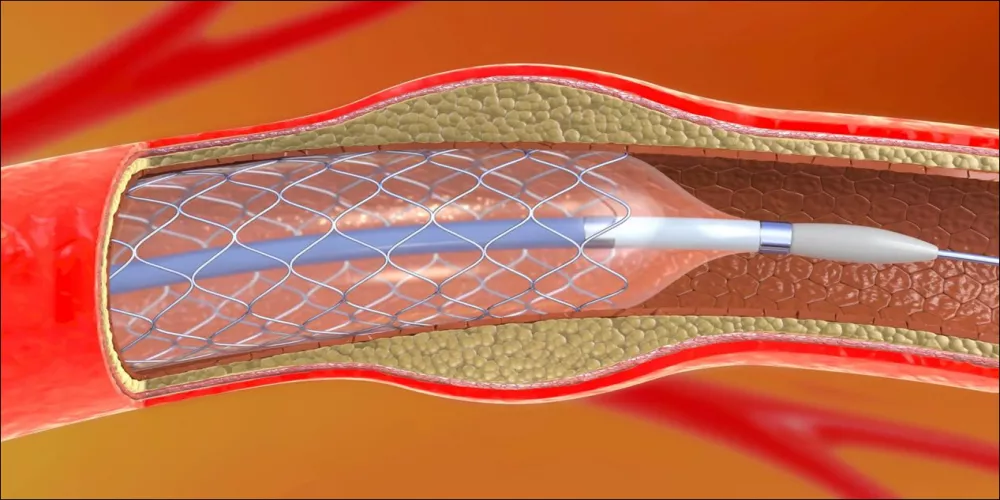
4. Balloon angioplasty
A small balloon is inflated to open the artery.
5. Placing the cardiac stent
The net is placed on top of the balloon, and as it is inflated, the net expands and adheres to the artery wall.
6. Process complete
The heart stent remains inside the artery for life without needing to be replaced.
Types of cardiac stents in detail
1. Simple metal structures (Bare-Metal Stents – BMS)
Features:
- Low price
- Easy to install
- Suitable for emergencies or for those who cannot take blood thinning medication for an extended period.
Disadvantages:
- The percentage of re-narrowing is high (20–30%)
2. Drug-Eluting Stents (DES)
Most types Heart networks Widespread today.
Features:
- Narrowing ratio less than 5%
- Suitable for diabetics
- Excellent long-term results
Disadvantages:
- It requires strict adherence to blood thinning medications for 6–12 months.
3. Bioresorbable Stents
A new generation will disappear within two or three years.
Features:
- No permanent substance remains inside the artery.
- The artery returns to normal.
Disadvantages:
- High price
- Limited use
Benefits of cardiac stents
- Improving blood flow to the heart muscle
- Reducing angina pain
- Preventing artery narrowing again
- Avoid open-heart surgery
- Improving the patient's quality of life and mobility
- Reducing the risk of future strokes
Cardiac network risks
Despite its safety, some complications may occur:
1. Bleeding
Especially at the site of catheter insertion.
2. Allergy to the dye
Especially among kidney patients.
3. The network narrows
It has become rare in the new generation of pharmaceuticals.
4. Network coagulation
It is very rare and occurs most often when blood thinning medications are discontinued.
Medications after cardiac stent implantation
After installation Heart networks The following must be adhered to:
- Aspirin for life
- Clopidogrel, prasugrel, or ticagrelor for 6–12 months
- Cholesterol medications
- Blood pressure and diabetes medications
- Additional anticoagulants as needed
Lifespan of cardiac stents
Heart networks Permanent for life.
The success rate ranges between 92% – 98%.
When is surgery better than a mesh?
- Multiple blockages
- stenosis of the anterior main artery
- A diabetic patient suffering from severe narrowing
- Strong calcifications inside the arteries
Is it possible to travel after having cardiac stents implanted?
Yes, it is possible to travel within days of the operation.
Heart stents do not affect airport equipment or security checks.
Golden tips after heart stent implantation
- Stop smoking immediately
- Walking for 30 minutes daily
- Reduce fat and salt
- Drink water regularly
- Doctor's visit every 6 months
- Do not stop blood thinning medications without consulting a doctor.
Summary
Heart networks One of the most important medical innovations that has revolutionized the treatment of coronary artery disease is coronary artery bypass grafting. It is a quick, safe, and effective procedure that restores the patient's normal life and protects them from strokes. The success of the procedure depends on the type of cardiac stent used, the surgeon's experience, and most importantly, the patient's adherence to medication and a healthy lifestyle.