
Irritable Bowel Syndrome: Your Comprehensive Guide to Understanding and Managing Digestive Disorders
Irritable bowel syndrome or IBS Irritable bowel syndrome (IBS) is one of the most common digestive disorders worldwide, affecting millions of people annually. It is characterized by a variety of symptoms ranging from mild discomfort to chronic pain and bowel irregularities. This article will cover all aspects of IBS, including its causes, symptoms, diagnosis, treatment, and prevention, with a focus on relevant keywords for search engine optimization (SEO).
What is irritable bowel syndrome (IBS)?
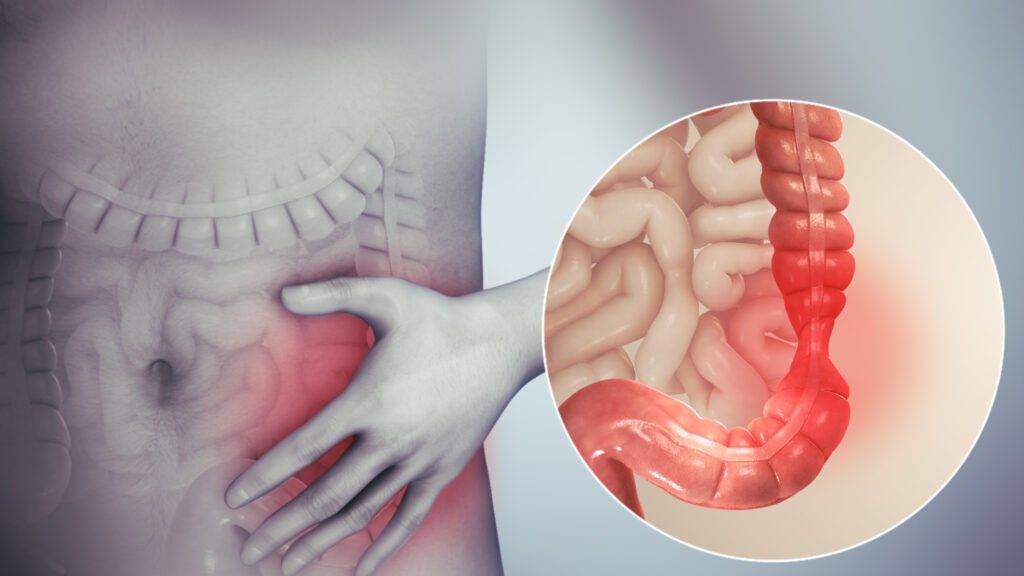
Irritable bowel syndrome (IBS) is a functional disorder of the large intestine that affects how the digestive system moves and responds to food and stress. Although IBS does not cause permanent damage to the intestines, it can significantly reduce quality of life if not properly managed. Some studies suggest that IBS can affect the body in a way that... The psychological and physical aspects of the patient.
table of contents
Types of Irritable Bowel Syndrome
- Irritable bowel syndrome with constipation (IBS-C): The patient suffers from difficulty defecating and hard stools.
- Irritable bowel syndrome with diarrhea (IBS-D): Where the stool is liquid and frequent.
- Mixed irritable bowel syndrome (IBS-M): A mixture of alternating constipation and diarrhea.
- Irritable bowel syndrome unclassified (IBS-U): Symptoms that do not fit into the three previous types.
Irritable bowel syndrome symptoms
Symptoms vary from person to person, and include:
- Abdominal pain or cramps, often after eating.
- Bloating and bothersome gas.
- Changes in bowel habits, such as constipation, diarrhea, or alternating between the two.
- The feeling of not having completely emptied the bowels.
- Psychological stress and tension exacerbate the symptoms.
- Feeling generally tired and sometimes experiencing sleep disturbances.
Causes of irritable bowel syndrome
The exact causes of irritable bowel syndrome are unknown, but several factors contribute to its development:
- Bowel movement disorders: The intestines become more sensitive to food and psychological stress.
- Imbalance in gut bacteria: It can lead to bloating and gas.
- Psychological factors: Stress, anxiety, and depression can increase the severity of symptoms.
- Food allergies: Some foods, such as dairy products or fatty foods, can irritate the colon.
- Heredity: Irritable bowel syndrome may be related to genetic factors in some families.
- Previous inflammation of the digestive tract: Some cases of intestinal infection may later lead to the appearance of symptoms of irritable bowel syndrome.

Diagnosis of irritable bowel syndrome
To diagnose irritable bowel syndrome (IBS), the doctor relies on:
- A detailed medical history and symptom history.
- Clinical examination to detect any abnormal signs.
- Laboratory tests to rule out other diseases such as infections, thyroid problems, or liver disease.
- Imaging tests, such as CT scans or endoscopy, are used in some cases to rule out other causes.
There are standards Rome IV To diagnose irritable bowel syndrome, which is based on the frequency of abdominal pain and changes in bowel movements over the last few months.
Factors that trigger irritable bowel syndrome
Factors that may worsen symptoms include:
- Psychological stress and constant nervous tension.
- Foods high in fat, spices, or processed foods.
- Soft drinks and caffeine.
- Hormonal changes in women, especially during the menstrual cycle.
- Lack of physical activity and a sedentary lifestyle.
Treatment of irritable bowel syndrome
There is no cure for irritable bowel syndrome (IBS), but symptoms can be managed in several ways, including:
1. Dietary changes
- Following a system Low FODMAP To reduce bloating and gas.
- Gradually increase your fiber intake to relieve constipation, such as whole grains, vegetables and fruits.
- Avoid irritating foods such as fried foods, fatty foods, processed foods and soft drinks.
- Drinking enough water daily improves bowel movements.

2. Medications
- Laxatives to relieve constipation such as Polyethylene Glycol.
- Anti-diarrheal medications when needed, such as Loperamide.
- Antispasmodics to relieve abdominal pain such as Dicyclomine.
- Sometimes antidepressants are used to improve mental health and alleviate symptoms.
3. Psychotherapy
It includes techniques such as cognitive behavioral therapy (CBT), meditation, and relaxation exercises to reduce psychological stress that exacerbates symptoms. Studies have shown that psychotherapy can significantly reduce the frequency of pain attacks and spasms.
4. Physical Therapy and Supplements
- Probiotics to improve the bacterial balance in the gut, such as Lactobacillus andBifidobacterium.
- Regular exercise such as walking, yoga, and light abdominal exercises.
- Maintaining a regular sleep pattern reduces the impact of fatigue and stress on the colon.
Prevention of irritable bowel syndrome
The severity of symptoms and the reduction of sudden attacks can be achieved by:
- Follow a healthy, balanced diet, with an emphasis on fiber and water.
- Avoid irritating and processed foods.
- Exercise regularly to improve bowel movements.
- Managing psychological stress through methods such as meditation, deep breathing, and psychotherapy when needed.
- Adhere to meal times and do not skip them to avoid cramps.
Useful links for further reading
Internal links to related articles
- The best diet for digestive health
- Benefits of probiotics for colon and gut health
- Stress management methods and its impact on digestive health
- How to treat chronic constipation naturally

Qualities of the best doctor for treating irritable bowel syndrome
- Extensive experience and precise specializationIt is preferable that the doctor be a specialist in gastroenterology and have years of experience in treating irritable bowel syndrome.
- Using the latest medical technologiesSuch as endoscopy, microdigestion tests, and analysis of the bacterial balance in the intestines.
- Excellent communication with patientsThe ability to listen to the patient's concerns and explain the diagnosis and treatment plan clearly.
- Adopting a holistic approach to treatmentTreatment includes medication, a suitable diet, probiotics, and psychological support.
- Good reputation and reliable recommendationsReviewing previous patient assessments and recommendations from trusted health authorities.
Steps to choosing the best doctor for irritable bowel syndrome
- Find the right specialization: A gastroenterologist or internist specializing in irritable bowel syndrome.
- Check the work experience: Years of experience in treating IBS and number of successful cases.
- Inquire about the treatment method: Does it offer nutritional solutions, probiotics, or psychological treatment alongside medication?
- Evaluating the doctor's communication: Good communication is important for understanding the nature of the disease and managing symptoms correctly.
- Ensure continuous monitoring: A good doctor schedules regular follow-up appointments to adjust treatment based on the patient's response.
Treatment methods offered by the best doctor for irritable bowel syndrome
- Dietary modifications: Such as following a low FODMAP diet, gradually increasing fiber, and avoiding irritating foods.
- pharmaceutical: Antispasmodics, laxatives or antidiarrheal drugs, and sometimes antidepressants to relieve the psychological stress associated with irritable bowel syndrome.
- Psychotherapy and psychological support: Cognitive behavioral therapy and relaxation techniques help control the symptoms resulting from psychological stress.
- Probiotics and supplements: Improving the balance of gut bacteria to reduce bloating and gas.
- Healthy lifestyle: Exercise regularly, get enough sleep, and drink water daily.
General advice when choosing a doctor
- Read reviews from previous patients to ensure the quality of service.
- Make sure the doctor is up-to-date on the latest studies and research on irritable bowel syndrome.
- Book an initial consultation to assess how your doctor explains the treatment plan.
- Avoid relying solely on personal experiences, and focus on scientific evidence and practical experience.
Summary
to choose Best doctor for treating irritable bowel syndrome This is a crucial step towards improving your quality of life and reducing bothersome symptoms. The right doctor combines medical expertise, utilizes the latest diagnostic methods, provides a comprehensive treatment plan that includes medication, diet, and psychological support, and maintains excellent communication with patients. As a result, the patient can effectively manage irritable bowel syndrome (IBS) and enjoy a more comfortable and normal daily life.