
Diabetic foot is considered one of the most complex health problems for people with diabetes, and it often leads to chronic wounds if not properly cared for. Therefore, wound care has become an essential specialty in Jordanian hospitals to ensure rapid recovery and minimize complications. The articleWe will cover everything about diabetic foot, types of wounds, methods of care, and the latest medical technologies to ensure safe and rapid healing.
The importance of the wound care specialty
Wound care isn't just about cleaning wounds; it involves meticulous monitoring of every stage of healing. For diabetic foot, this specialty has become essential because it helps prevent serious complications such as chronic infections, foot ulcers, and even amputation in advanced cases. In Jordan, hospitals and medical centers now rely on specialized teams that implement the latest medical protocols for diabetic foot care and chronic wound management.
What is diabetic foot?
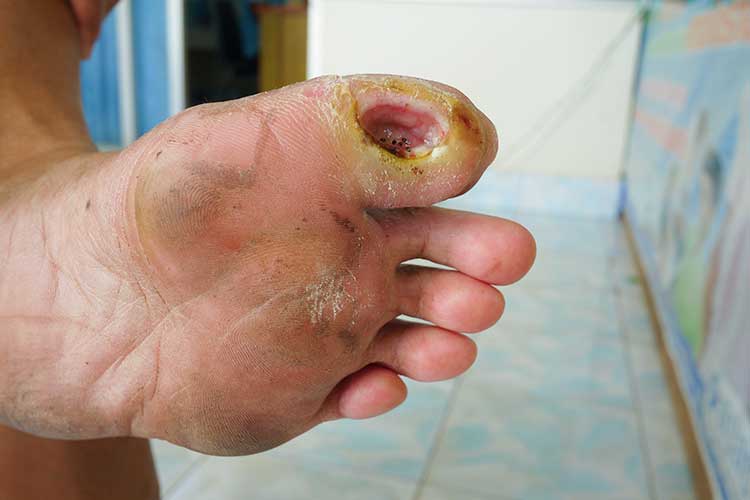
Diabetic foot is a complication that affects people with diabetes due to poor circulation and nerve damage in the feet. This leads to an increased risk of cuts, ulcers, and infections. Diabetic foot is often difficult to treat and requires specialized wound care to avoid serious complications. Early wound care in diabetic foot It is a key factor in preventing amputation and improving quality of life.
Types of wounds in diabetic foot
Diabetic foot ulcers can be classified according to the cause and nature of the injury:
1. Pressure ulcers
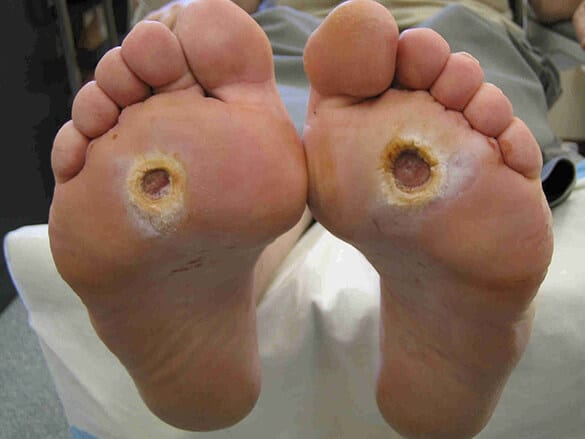
These ulcers occur as a result of continuous pressure on certain areas of the foot, especially in diabetic patients who have loss of sensation. Care of pressure wounds This includes reducing pressure on the affected area, using specialized dressings, and comprehensive follow-up.
2. Bacterial infection wounds
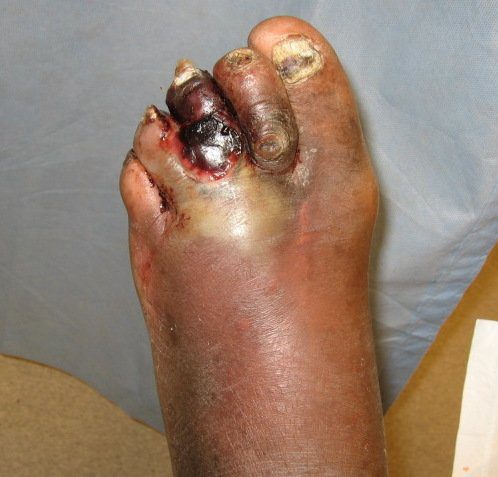
Diabetics are more susceptible to bacterial foot infections, especially if they have an open wound. Immediate care includes cleaning the wound, using topical or oral antibiotics, and monitoring the infection regularly.
3. Chronic wounds
Diabetic foot often results in chronic wounds due to poor blood circulation and weakened immunity. chronic wound care It requires close monitoring, the use of modern dressings, and stimulating tissue healing with advanced techniques.
4. Burns and bruises
Any wound or bruise on the foot of a diabetic patient can develop more quickly and become more difficult to treat due to poor blood circulation. Therefore, Caring for minor wounds Very important to avoid complications dangerous.
Methods of wound care in diabetic foot
Wound care in diabetic foot requires careful steps to ensure Fast and safe healing:
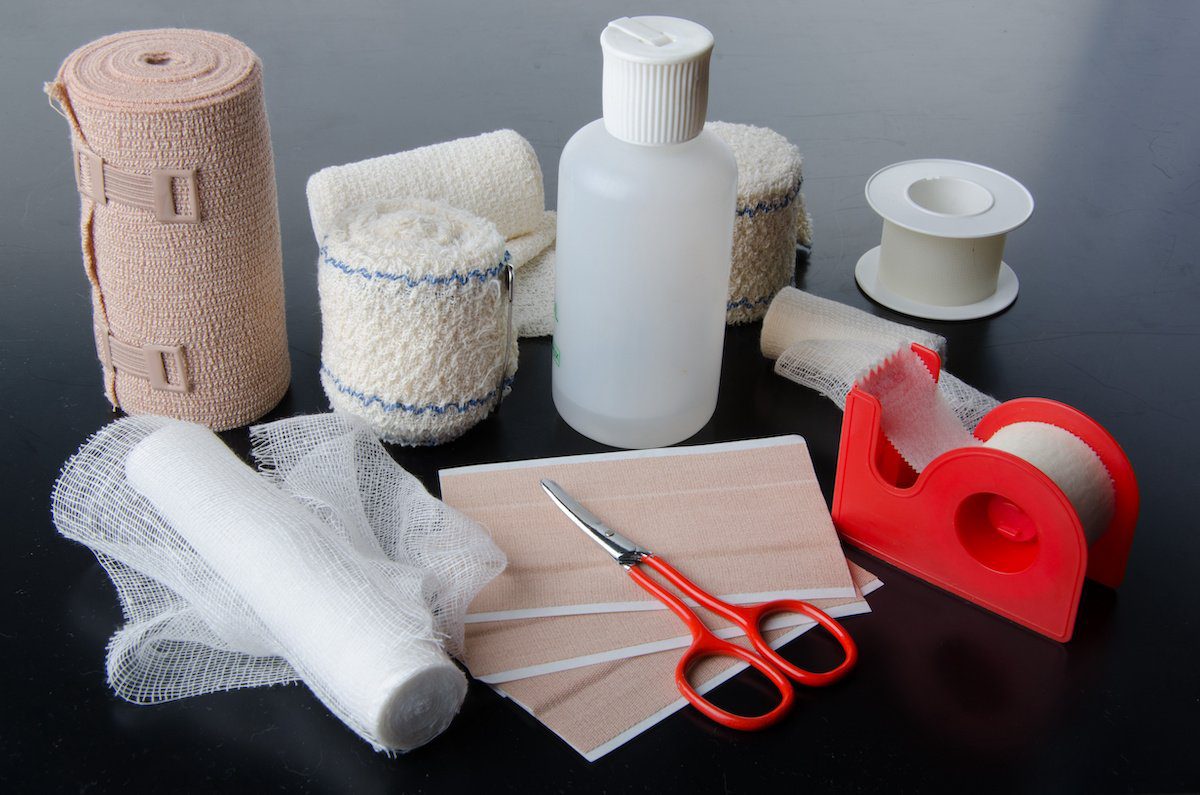
- Clean the wound using a sterile solution to remove dirt and germs.
- Determining the appropriate type of dressing for diabetic foot based on the depth and nature of the wound.
- Change the dressings regularly to avoid the buildup of secretions and infection.
- Use topical or oral antibiotics as directed by your doctor.
- Monitor the wound periodically to assess healing and recovery rate.
- Educating the patient about foot hygiene, wearing appropriate shoes, and not walking barefoot.
- Follow up with a diabetic foot specialist to ensure safe healing.
The latest technologies in diabetic foot and wound care
In Jordan, the specialty has developed significantly, and medical teams rely on the latest equipment and technologies:
- Modern bandages prevent infection and stimulate tissue growth.
- Laser therapy techniques to stimulate the healing of chronic wounds.
- Using biomaterials to replace damaged tissue in diabetic foot.
- Digital monitoring to continuously assess the wound and healing rate.
- Pressure relief systems to reduce pressure on diabetic foot ulcers.
The importance of wound care specialization in diabetic foot cases
Wound care specialization has become essential for every diabetic patient because:
- It prevents chronic infections and deep ulcers.
- It helps speed up recovery and improve quality of life.
- It reduces the risk of amputation and increases patient safety.
- It provides specialized care for every type of diabetic foot wound.
- The patient is given advice on prevention and avoiding recurrence of wounds.
a summary
Diabetic foot and chronic wounds present a significant challenge for patients, especially since impaired blood circulation and nerve sensation complicate treatment and increase the risk of infection or serious complications. However, with Wound care specialization in JordanIt has become possible to achieve excellent and safe results. This specialty allows for close monitoring of all types of wounds, whether they are pressure wounds, bacterial infection wounds, or chronic ulcers resulting from diabetic foot.
In addition to using the latest advanced dressings and modern medical technologies, such as laser therapy and biomaterials to regenerate damaged tissue, the medical team is able to stimulate rapid and safe wound healing. Educating patients about daily hygiene, wearing appropriate footwear, and regular foot examinations is also an essential part of the treatment plan and significantly reduces the recurrence of wounds and complications. All these measures contribute to improving patients' quality of life, enhancing their mobility, and reducing the need for serious surgical interventions such as amputation. In short, Wound care specialization in Jordan It provides comprehensive and safe care, ensuring rapid and effective healing for patients with diabetic foot and chronic wounds, and maintaining their long-term health and quality of life.