
Behind Enemy Lines: The Ultimate Survival & Evasion Guide in a Hostile Middle East
⚠️ Urgent Security Advisory
With the rapid escalation of US-Iranian tensions, the Arabian Gulf and the broader Middle East are experiencing unprecedented volatility. For foreign contractors, expats, and diplomats caught in the crossfire, the rules of the game have changed. Drawn from real-world tactical operations in Iraq and Afghanistan, Auxilium Assistance provides this critical life-support and evasion dossier.
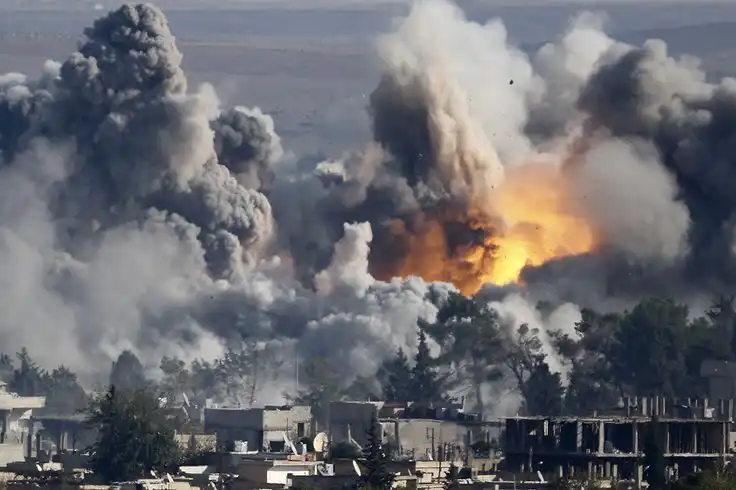
Imagine this scenario: Communication networks are down, border crossings are suddenly sealed, and militias have taken over the streets. You are a foreigner stranded in a highly hostile zone. Running aimlessly is suicide, and hiding in one spot forever is impossible. Your objective is not to fight; your goal is to master the “Gray Man Theory”—to be visible to the eye, but invisible to the mind.
Phase 1: Social Camouflage (Becoming the Gray Man)
In a war-torn environment, looking like an expat is a beacon for snipers and hostile factions. Blending in requires adopting the “soul” of the environment:
- Strip the Western Identity: Ditch the tactical gear, smartwatches, and branded clothing. Wear muted, worn-out local attire. You need to look like an exhausted local citizen trying to survive the day.
- Master Local Kinesics: Do not walk with military precision or dart your eyes around like prey. Walk with a slight slump, keeping your gaze low. Mimic the heavy, burdened posture of the locals affected by the conflict.
- Facial Obscuration: Use local scarves (Keffiyeh/Shemagh), cheap prescription glasses, or traditional hats to break the distinct lines of your face and hide obvious foreign features.

Phase 2: Movement Engineering & Strategic Silence
Prolonged exposure on the streets increases the likelihood of interrogation. Your movement must be highly calculated:
🔹 Avoid Choke Points: Stay away from main bridges, government buildings, and central squares. These are natural magnets for checkpoints.
🔹 The “Prop” Rule: Never walk empty-handed. Carry a bag of local bread or vegetables. A man carrying groceries is rarely perceived as a threat.
🔹 The 3-Second / 3-Word Rule: If approached, take 3 seconds to process, and answer in 3 words or less. If a political or sectarian debate erupts, play the ignorant local. Say: “I just want to feed my family, I don’t understand politics.”
Phase 3: Safe House Management & Life Support
Reaching an apartment does not mean you are safe; you have merely transitioned from a visible target to a concealed one. Strict military-style discipline is required inside your Safe House:
- Light & Sound Discipline: Enforce a strict blackout. Never turn on lights at night unless windows are heavily barricaded. Speak only in whispers.
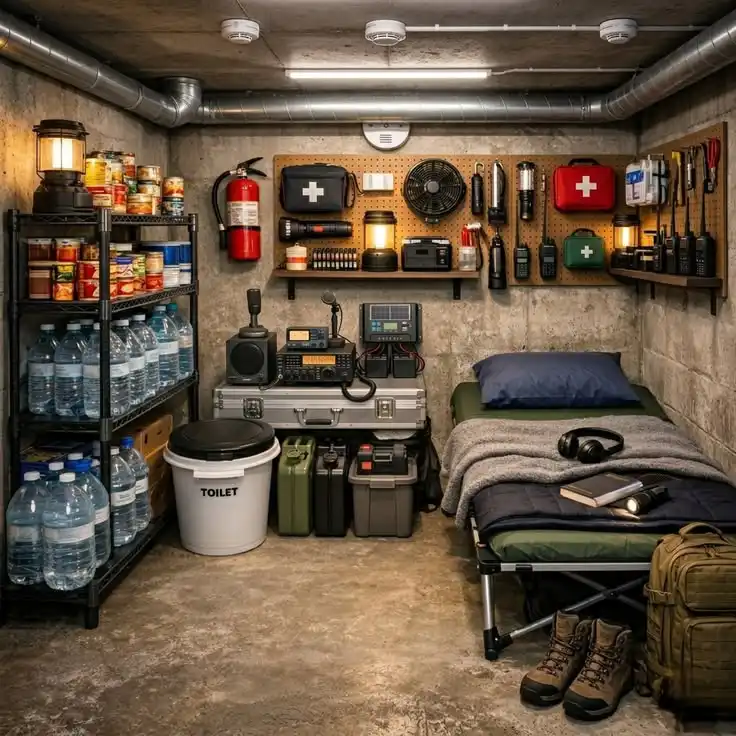
- Resource Management: The moment chaos erupts, fill every available container with water (power grids will fail). Ration your food into micro-meals to survive until an evacuation corridor opens.
- Tactical Positioning: Never sleep near external walls or windows to avoid stray bullets. Hallways or interior bathrooms are structurally the safest places to bed down.
Phase 4: The Worst-Case Scenario (Hostage Survival)
If your cover is blown, you are no longer a fugitive; you are a bargaining chip. Auxilium Assistance negotiation experts emphasize that the first 15 minutes of capture are the deadliest. Adrenaline is high, and fingers are on triggers.
1. Absolute Compliance: Do not play the hero. Keep your hands visible, make zero sudden movements, and obey orders silently. Your only goal right now is to survive the initial shock.
2. Humanizing Yourself: The greatest danger is being viewed as a “political symbol.” Casually drop non-political, human details into conversations when things calm down—mention your children or sick mother. It is psychologically harder to harm someone seen as a family man.
3. Interrogation Tactics: Stick to a simple cover story that is incredibly close to the truth. Do not volunteer extra information. Avoid aggressively staring down your captors, as this is considered a severe insult in many Middle Eastern cultures.
4. Mental Preservation: Isolation breaks the mind fast. Establish a strict daily routine in your cell. Exercise, relive positive memories, and trust that professional negotiators and extraction teams are working around the clock to get you out.

Final Briefing: Preparation Precedes the Crisis
Surviving the escalating chaos in the Middle East is not a matter of luck; it is a matter of protocol. Stay calm, manage your resources, and leave the high-stakes political and security negotiations to the professionals.
Is Your Team Prepared for the Worst?
À Auxilium Assistance, we provide elite medical and political evacuation, high-risk security consulting, and hostage negotiation strategies for corporations and individuals operating in hostile environments globally.
Secure your personnel today. Contact our tactical operations center: