
Overview
In the heart of the Jordanian desert, near Madaba, lie two archaeological treasures that tell fascinating chapters of history and holy books. Here, Umm ar-Rasas, with its world-renowned mosaics, meets the fortress of Machaerus, which witnessed one of the most dramatic stories in religious history.
1. Umm ar-Rasas (Kastron Mefaa): City of mosaics and monks
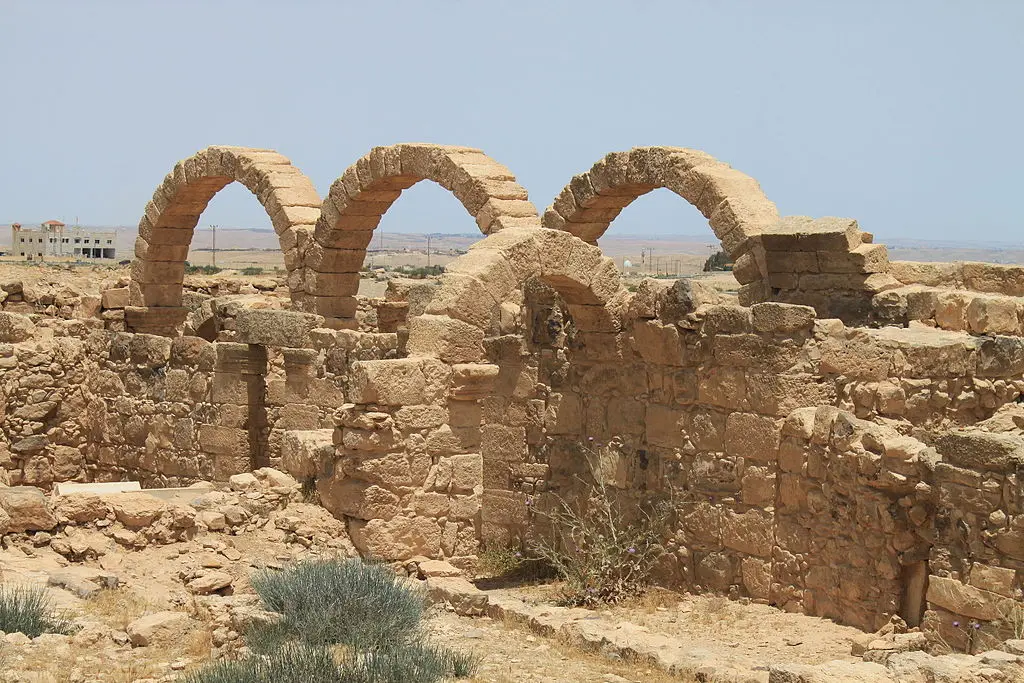
It was formerly known as “Kastron Mefaa”, and is a World Heritage Site (UNESCO). It began as a huge Roman camp and then, in the Byzantine era, it was transformed into a flourishing religious center.
• A story from the Old Testament (the prophecy of Jeremiah):
This city is mentioned in the Bible (Old Testament) as “Mephah.” It is mentioned in the Book of Jeremiah (48:21) as a prophecy about the cities that would be judged in the land of Moab, and it remains today a silent witness to the truth of history.
• Stylite Tower:
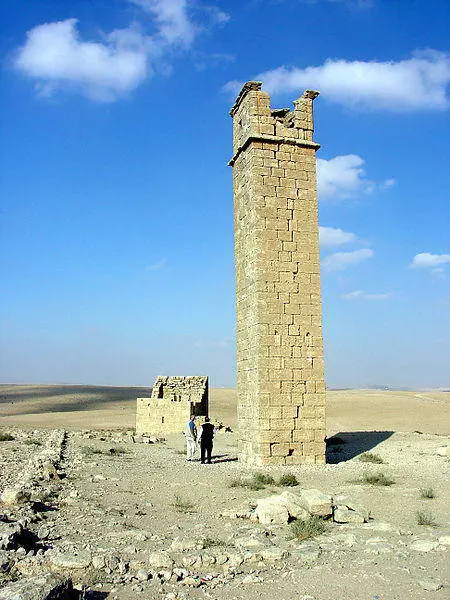
The most unusual thing you'll see there is a towering stone structure, 15 meters high, with neither a door nor stairs! Monks lived atop this tower, dedicating themselves to worship in complete isolation between earth and sky, and their food was hoisted to them by ropes. This type of asceticism is believed to have been extremely rare in the world.
• The largest mosaic carpet in Jordan:
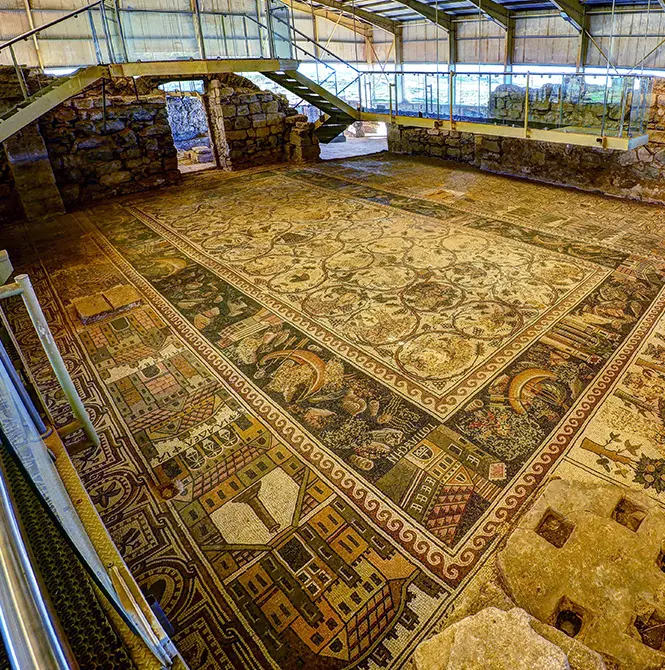
The Church of St. Stephen on the site contains a stunning work of art; a huge mosaic floor depicting and naming 15 historical cities in Jordan, Palestine and Egypt, making it an accurate “geographical map” of that era.
2. Machaerus Castle: A stage for gospel drama
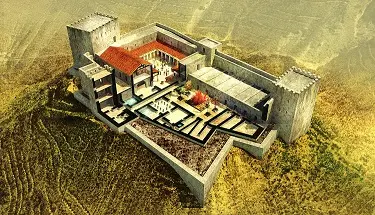
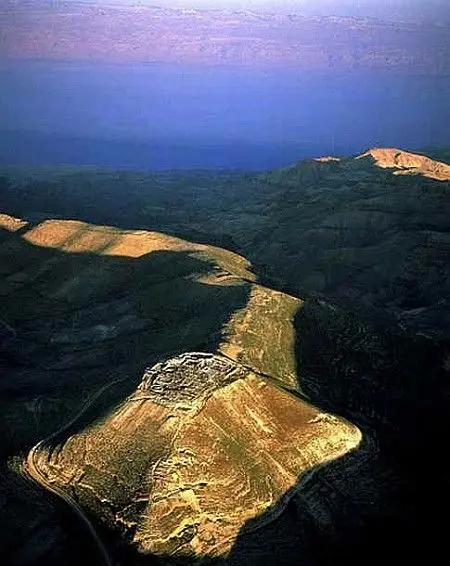
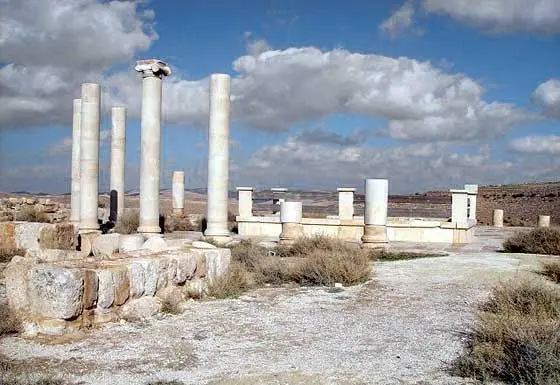
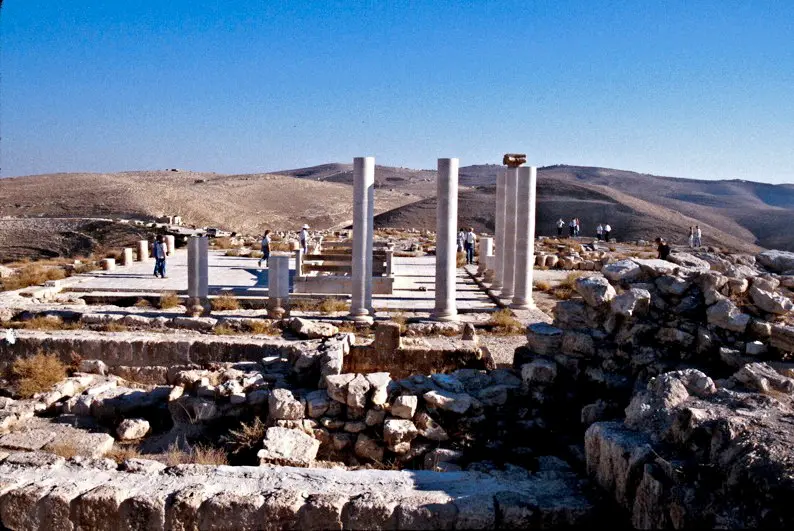
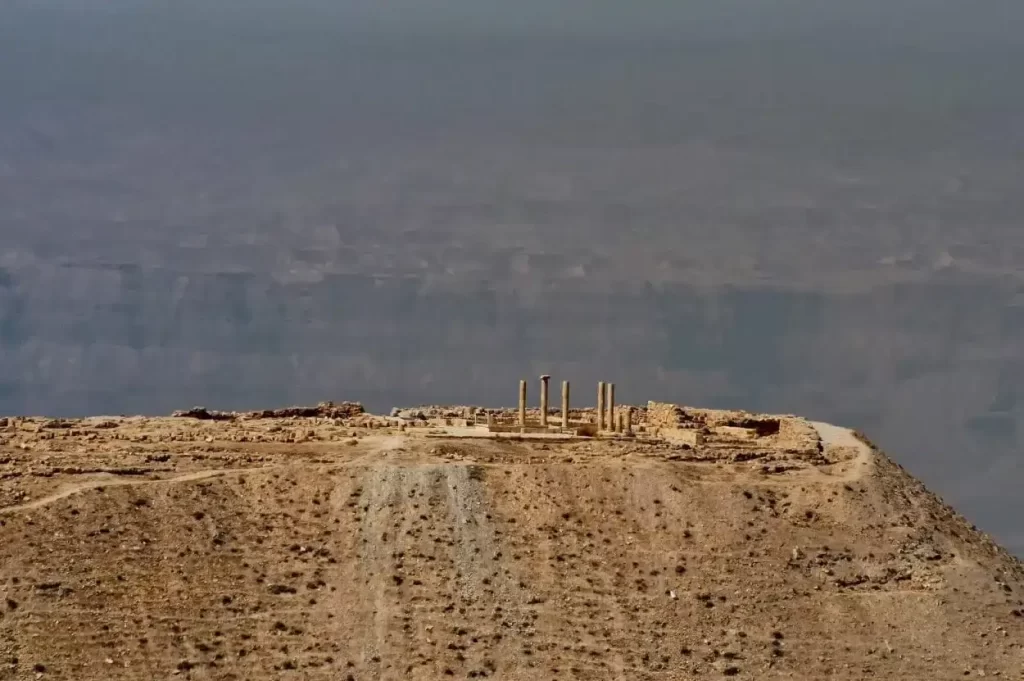
A short distance away, the imposing fortress of Machaerus overlooks the Dead Sea and the mountains of Jerusalem. This place is not just a fortress; it is the scene of a crime that shook history.
• A story from the New Testament (The beheading of John the Baptist):
Here, in the palace of King Herod Antipas, the events of the famous story mentioned in the Gospels (Matthew 14 and Mark 6) took place.
The story says that King Herod imprisoned the prophet John the Baptist (Prophet Yahya, peace be upon him) was in this castle because he criticized the king’s forbidden marriage to his brother’s wife, Herodias.
• The deadly dance:
At the king's birthday celebration, Herodias' daughter (whom history calls Salome) danced a dance that captivated the king and his guests, so he promised her anything she asked for, even half his kingdom. Instigated by her spiteful mother, the girl made a horrific request: “The head of John the Baptist on a platter”.
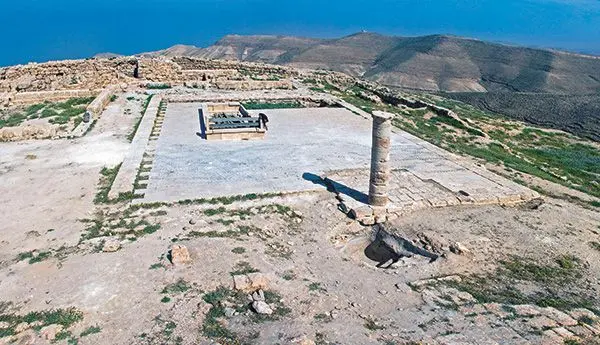
The king was saddened, but he kept his promise, and the Prophet was beheaded in the prisons of this fortress. The remains of the palace and the awe-inspiring view overlooking Palestine still echo that bloody night.

3. Tips for visitors to the area
• the site:
Umm ar-Rasas is located 30 km southeast of Madaba. Mukawir is about an hour's drive from Madaba via the King's Highway (Scenic Drive).
• The best trip planner:
It is recommended to visit both sites in one day, starting from Madaba. Begin with Umm ar-Rasas in the morning to explore the mosaics, then head to Mukawir at sunset; the view of the sun sinking into the Dead Sea from the top of the castle is not to be missed.
• Tickets:
Both sites are included in the “Jordan Pass”.
Between the silence of the monks in Umm ar-Rasas, and the echo of history in Mukawir, you will experience an unforgettable spiritual and historical journey.
Geographic location
Photo Gallery
Ratings
Write a ReviewThere are no reviews yet.