
Overview
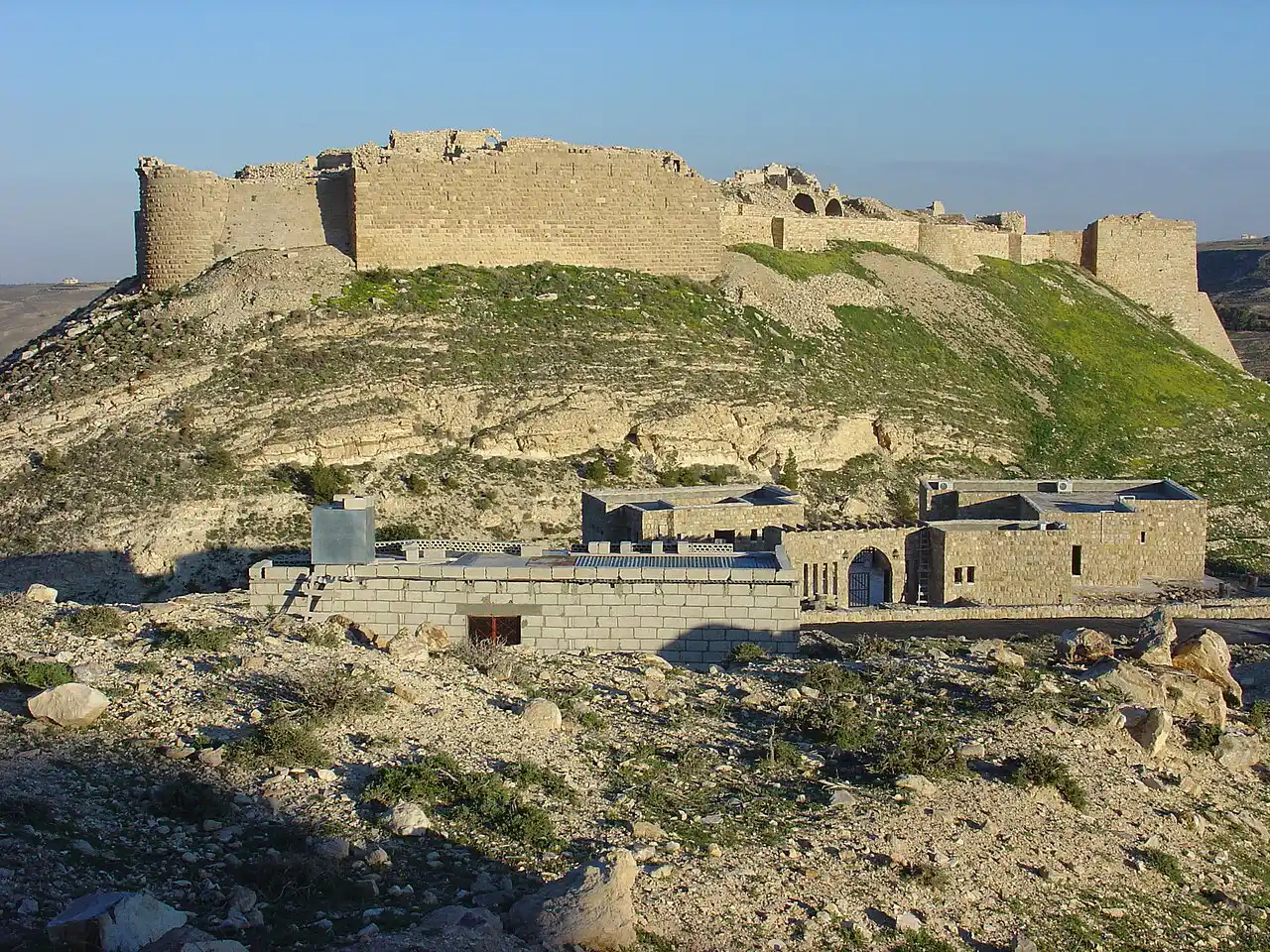
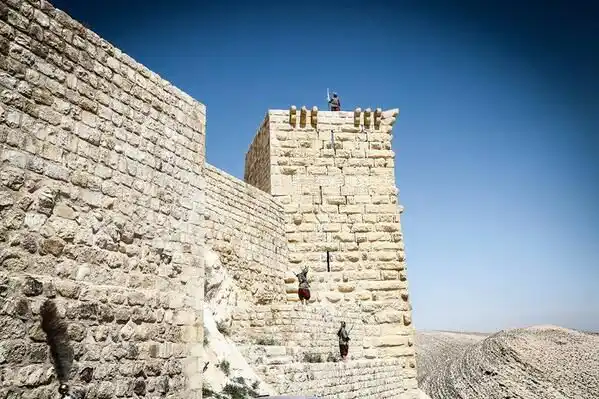
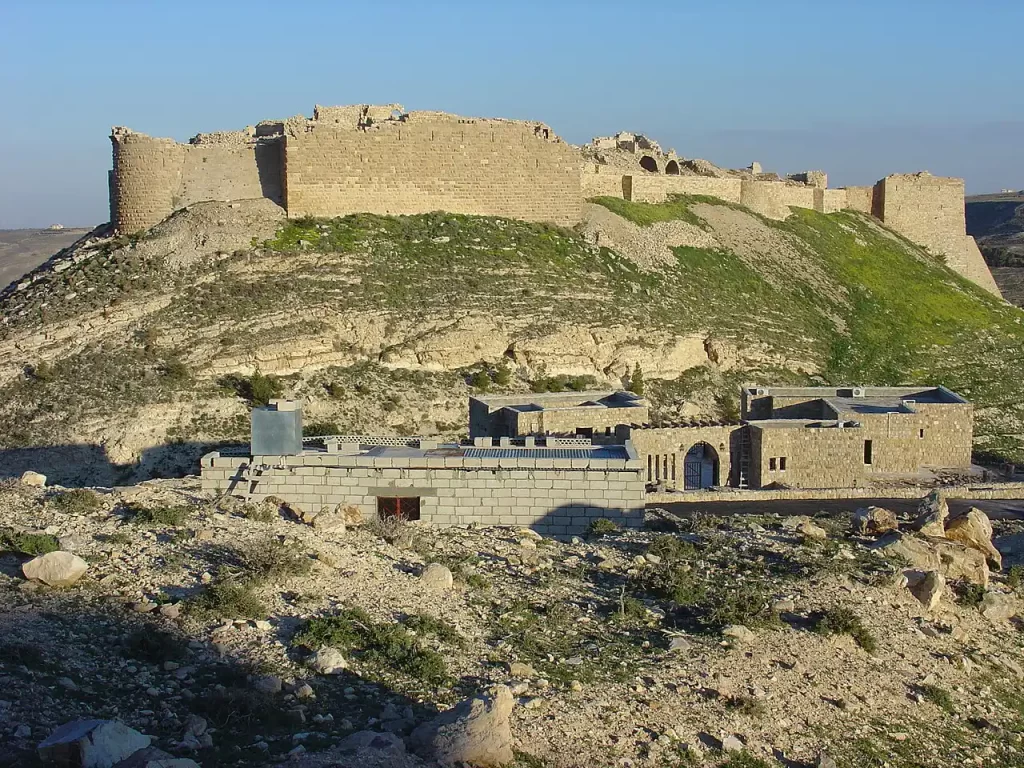
In southern Jordan, atop a conical mountain that seems to embrace the clouds, stands the majestic Shobak Castle, an ancient guardian of the desert. While Karak Castle may be more famous, Shobak Castle (which predates it) conceals within its walls incredible tales of resilience, siege, and secret tunnels.
1. Montreal (Mount Royal): The First Fortress
This castle was built in 1115 AD by the Crusader King Baldwin I, and it was the first large castle built by the Crusaders in the Transjordan region.
Why this site?
The Crusaders called it “Montreal That is, the “Royal Mountain”. Its goal was strategic and dangerous: complete control of the trade and pilgrimage route linking the Levant with Egypt and the Hejaz, which allowed them to impose exorbitant taxes on passing caravans.
• Legendary resistance against Saladin:
The fortress withstood Saladin's armies for a very long time (the siege is said to have lasted for two years). The defenders were forced to sell their wives and children for food due to extreme hunger, before finally surrendering in 1189 AD, two years after the Battle of Hattin.
2. The Secret Tunnel: The Castle's Deepest Secrets
What is most surprising about Shobak is not the high walls, but what is underground.
• 375 degrees into the unknown:
The fortress contains a secret spiral tunnel carved into the mountain rock, descending 375 steps to a spring at the bottom of the valley. This tunnel was a lifeline that allowed the besieged to bring water without being seen by the enemy.
• An experience for the strong-hearted:
Visitors can descend into this tunnel today, but it is an adventure that requires physical fitness and a strong lamp, as it is pitch black and the steps are slippery, making you experience moments of real historical tension.
3. A tour inside the walls
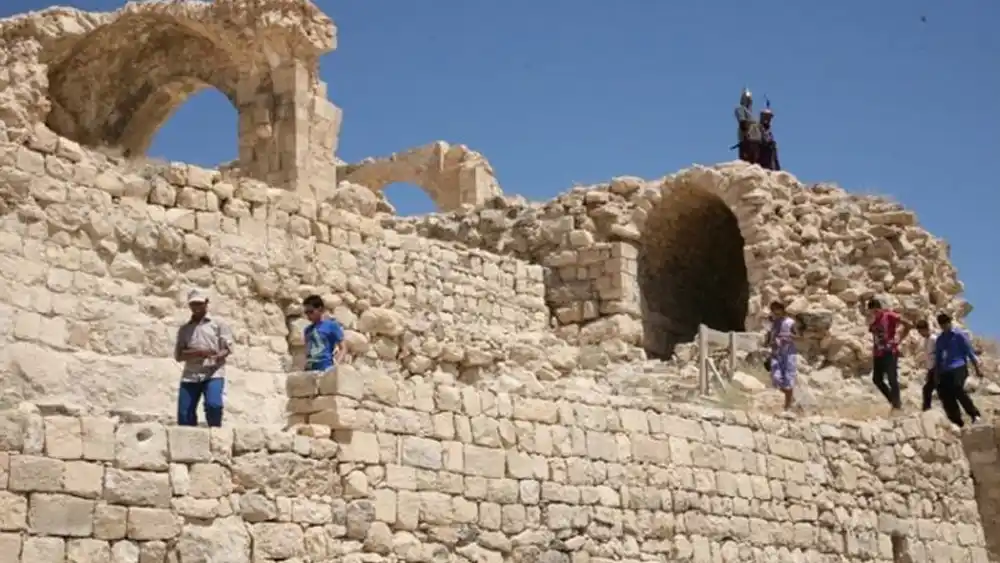
Upon entering the castle, you will notice a unique blend of Crusader and Islamic (Ayyubid and Mamluk) architecture that was added later.
• Qur'anic writings:
On the outer walls, you will find long bands of beautiful Arabic inscriptions glorifying the Mamluk sultans who restored the castle, engraved in exquisite Thuluth script.
• Churches and buildings:
The castle contains the remains of two churches, olive presses, and grain stores, indicating that it was a self-sufficient miniature city.
4. Visit Information
• the site:
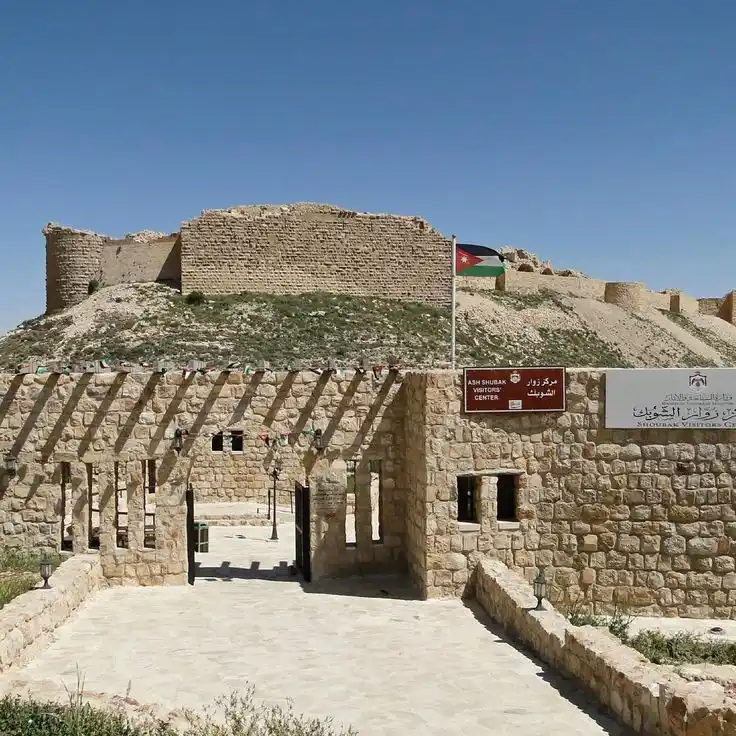
The castle is located in the Shobak district of Ma'an Governorate, about 25 km (less than half an hour) north of Petra. Therefore, it is an ideal stop on the way to or from Petra.
• Suggested time:
One hour is enough to explore the castle. The panoramic view from the top of the surrounding orchards and valleys is very enchanting, especially at sunset.
Shobak Castle... where the rock speaks of the will to survive, and where you can touch history in every stone and every step of its great tunnel.
Geographic location
Photo Gallery
Ratings
Write a ReviewThere are no reviews yet.