
King Hussein Cancer Foundation in Jordan: Comprehensive care and individualized treatment plans with international standards
It is King Hussein Cancer Foundation A prominent model in the Jordanian and Arab health sector; it is not just a treatment center, but an integrated system that focuses on providing high-quality care for cancer patients through accurate diagnosis, personalized treatment plans, and psychological and social support that preserves the patient's dignity and quality of life during and after the treatment journey.
The organization was founded in 2001 By royal decree and under the patronage of Her Royal Highness Princess Ghida Talal, to be a national institution specializing in combating cancer within global medical standards, with a deep understanding that the success of treatment is not limited to clinical numbers, but extends to the human impact on the patient and his family.
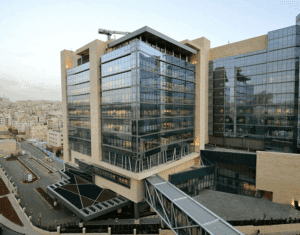
Why is the King Hussein Cancer Foundation a leading institution in cancer treatment in the region?
Distinction stands out King Hussein Cancer Foundation The integration of several elements—a clear organizational structure, a multidisciplinary medical team, treatment protocols based on the latest standards, and a patient experience designed to minimize anxiety and enhance adaptability throughout the treatment journey—makes the institution a trusted destination for patients from Jordan and the Arab region seeking both effective treatment and a compassionate approach.
The essence of excellence at the King Hussein Cancer Foundation
- Accurate diagnosis Based on a comprehensive assessment of the patient's condition, the type of tumor, and its extent.
- Personalized treatment plan It is designed for each patient according to their health needs and medical history.
- Psychological and social support It targets both the patient and the family to promote stability throughout the treatment journey.
- Commitment to global standards In quality, safety, and care outcomes.
The history of the institution and its development based on national responsibility
The King Hussein Cancer Foundation was launched as a national initiative rooted in a clear social responsibility: to provide advanced care for cancer patients within an Arab system capable of handling large numbers of cases and offering cutting-edge treatment solutions. With accumulated experience and expanded services, the Foundation has become a primary destination for patients from Jordan and the Arab world, especially those seeking comprehensive treatment that extends beyond the medical aspect to include psychological and social support.
This development was not merely a numerical expansion, but a qualitative development in the way care is provided: from focusing on “treatment” to adopting the concept of “integrated care” that takes into account the human being as a whole—physically, psychologically and socially—and makes the treatment journey a more organized and less harsh experience for the patient and his family.
How does the organization's vision translate into a real therapeutic experience?
The organization's vision centers on empowering patients to receive optimal treatment according to the latest standards, while maintaining their quality of life during and after treatment. In practice, this vision translates into a clear path that begins from the moment of diagnosis and continues through long-term follow-up, encompassing integrated elements:
1) Accurate diagnosis as the basis for successful treatment
Diagnosis in cancer treatment is not an administrative step; it is a clinical decision that determines the patient's entire journey. Therefore, great importance is given to a comprehensive assessment that considers the type of tumor, its stage, the patient's overall health, and any accompanying symptoms, in order to select the most appropriate treatment with the lowest possible risk.
2) Individualized treatment plans instead of one-size-fits-all solutions
What distinguishes the modern approach to cancer treatment is the shift from a "one-size-fits-all" approach to a personalized treatment plan tailored to the patient's characteristics and needs. Within this framework, regular follow-up becomes an integral part of the treatment itself: plans are adjusted based on response, and decisions are reassessed as needed to ensure the best balance between effectiveness and safety.
3) Psychological and social support that protects quality of life
The journey of cancer affects not only the body, but also mental health, family relationships, and the ability to function in daily life. Therefore, psychosocial support services are an essential component of the institution's model, not a secondary "add-on," but a fundamental part of the comprehensive treatment plan.
Multidisciplinary medical team: A single network of expertise to serve the patient
The success of cancer treatment in advanced centers is linked to having an integrated team with complementary specialties; every treatment decision requires a different perspective—from oncology to radiology to specialized nursing—in order to build a balanced plan that can be implemented safely and effectively.
The role of the oncology team in developing the treatment plan
The oncology team determines the most appropriate treatment strategy (such as drug options, targeted therapy, or immunotherapy when available, depending on the case), taking into account factors such as the general condition, co-existing diseases, and expected response.
The role of the radiology and diagnostic team in guiding decision-making
Imaging and diagnostic services are central to monitoring disease progression and response to treatment; they provide a clear picture of changes that may not be clinically apparent, and help adjust the treatment plan in a timely manner.
Specialized nursing: Continuous care day after day
Specialized nursing translates care into daily details: monitoring side effects, supporting adherence to the treatment plan, and educating the patient about warning signs that require urgent review—all of which directly contribute to patient safety and the quality of the treatment journey.
International accreditations and achievements: a mark of trust and quality
International accreditations and achievements are a significant indicator of the institution's commitment to high standards of quality and safety. The institution has been recognized as a leading model in cancer treatment within an Arab context, continuously striving to improve services and outcomes to match global best practices.
This recognition is reflected not only in the reputation of the institution, but also in the patient's practical experience: clear protocols, safe procedures, effective coordination between disciplines, and a work environment that respects international standards at every stage of care.
Global partnerships and scientific research: a gateway to innovation and knowledge transfer
One of the strengths of the King Hussein Cancer Foundation is its network of strategic partnerships with leading global centers, which contributes to the exchange of expertise, enhances the skills of local staff, and provides the latest diagnostic and treatment methods within an Arab environment close to the patient. This type of collaboration translates practically into improved treatment decision-making and a wider range of options available to patients.
How does scientific research affect the patient?
Scientific research is not a separate academic activity; rather, it is a driver for improving daily practice. Through clinical studies, analysis of results, and evaluation of treatment pathways, it becomes possible to select more effective interventions and reduce unnecessary procedures, which directly impacts patient care and its efficiency.
Transfer of expertise and building of local competencies
International partnerships also mean building deeper local capabilities: training new teams, developing national protocols, and raising the readiness of the health system to deal with complex cases; this reduces the need for travel and makes treatment available within Jordan with high quality.
Comprehensive care: from the moment of diagnosis to post-treatment
The experience of the King Hussein Cancer Foundation demonstrates that "treatment" is not a single event, but rather an interconnected series of stages; from diagnosis, through implementation of the treatment plan, to follow-up after the completion of treatment. This sequence reduces the risk of relapse and improves the ability to confidently return to daily life.
Access and initial assessment phase
At this stage, comprehensive information about the case is gathered, urgent needs are identified, and intervention priorities are established. A clear communication plan is also developed for the patient and their family to minimize anxiety and provide accurate and timely information.
The treatment implementation phase and periodic follow-up
During this phase, the treatment plan is implemented with regular monitoring of the response, assessment of side effects, and making the necessary adjustments to ensure continuation with the greatest possible safety and effectiveness.
Post-treatment phase and rebuilding quality of life
Even after the primary treatment plan has ended, follow-up remains a crucial element: monitoring vital signs, supporting physical recovery, addressing the late effects of treatment, and providing guidance to help the patient gradually regain their social and functional role.
Psychosocial support services: a crucial element in the treatment journey
The success of comprehensive care rests on the recognition that psychological stress can affect treatment adherence and patient resilience. Therefore, the King Hussein Cancer Foundation places great importance on psychological and social support, ensuring that patients and their families feel they have a genuine support network throughout their treatment journey.
This support may include psychological guidance, educating the family about the nature of the illness and treatment, assistance in organizing daily life during difficult periods, and providing practical tools to help improve coping and manage anxiety and fear.
Why is the King Hussein Cancer Foundation a strong choice for patients in Jordan and the region?
Because the institution combines rare elements into one system: extensive clinical experience in cancer treatment, clear organizational structure, commitment to quality and safety standards, and a scientific collaboration network that gives the patient access to the latest practices without the need for complicated transfers or unclear procedures.
Feature 1
An individualized treatment approach based on a careful assessment of each case, rather than general solutions.
Feature 2
Integrated care that combines medicine with psychological and social support to reduce the burden of illness on the patient and their family.
Feature 3
International research collaboration raises the quality of practice and accelerates the adoption of modern technologies.
Feature 4
Experience in managing the treatment pathway from diagnosis to post-treatment follow-up.
Frequently Asked Questions (FAQ)
Does the organization provide an individualized treatment plan for each patient?
Yes; the plan is usually based on the type of cancer, its stage, the patient's general health, and their treatment goals, with periodic follow-up to adjust the plan when needed.
Does the support include psychological and social services?
Psychosocial support services are an essential part of integrated care, because psychological stability directly impacts adherence to treatment and quality of life.
Are there international partnerships that benefit the patient?
International partnerships contribute to the transfer of expertise, the modernization of treatment practices, and the improvement of the efficiency of local staff, which positively impacts treatment options and the quality of follow-up.
Summary
Represents King Hussein Cancer Foundation In Jordan, a leading model for integrated cancer care has emerged, where modern science meets profound humanity. Through accurate diagnosis, personalized treatment plans, psychosocial support, and global research partnerships, the institution offers a treatment pathway aimed at protecting the patient's life and improving their quality of life during and after treatment—ensuring that "hope" remains not just a slogan, but a tangible reality translated into meticulous care and achievable outcomes. For measurement.