
Overview
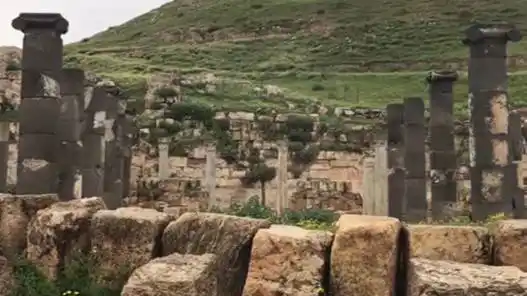
While the city of Jerash teems with thousands of tourists, a sister city of no less beauty and antiquity lies in northern Jordan, yet it remains a closely guarded secret amidst olive groves and springs. This is Abila, a city where time seems to have stood still, a testament to the wonders of Roman art and engineering.
1. The story of a city from the “Decapolis”
The city is known locally as “Qwailiba” (A diminutive of the word mold, referring to the abundance of hewn stones within it), but historically it is “Abila”One of the cities of the famous Roman Decapolis League, which included Jerash, Philadelphia (Amman), and Umm Qais.
• Meaning of the name:
The name “Abila” is derived from a Semitic word meaning “meadow” or “water stream,” and it is a fitting name, as the region is very rich in springs (Ain Qweilbeh) that have not stopped flowing for thousands of years, making it a human settlement from the Bronze Age until today.
• Religious significance:
The city flourished exceptionally in the Byzantine era, and contains the remains of five huge basilica churches, indicating that it was a high-level religious center (district), and not just a passing village.
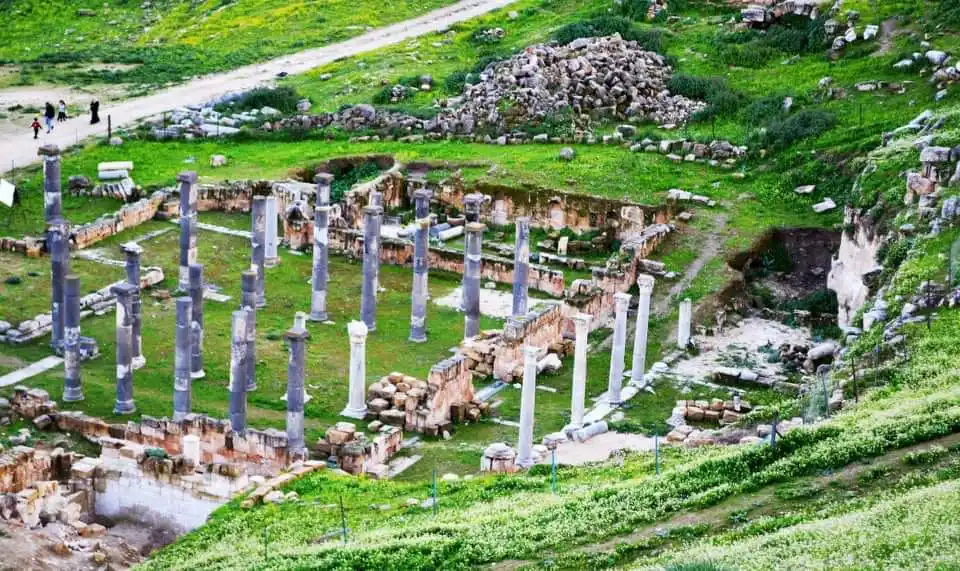
2. Colored Tombs (Frescoes): An Underground Art Gallery
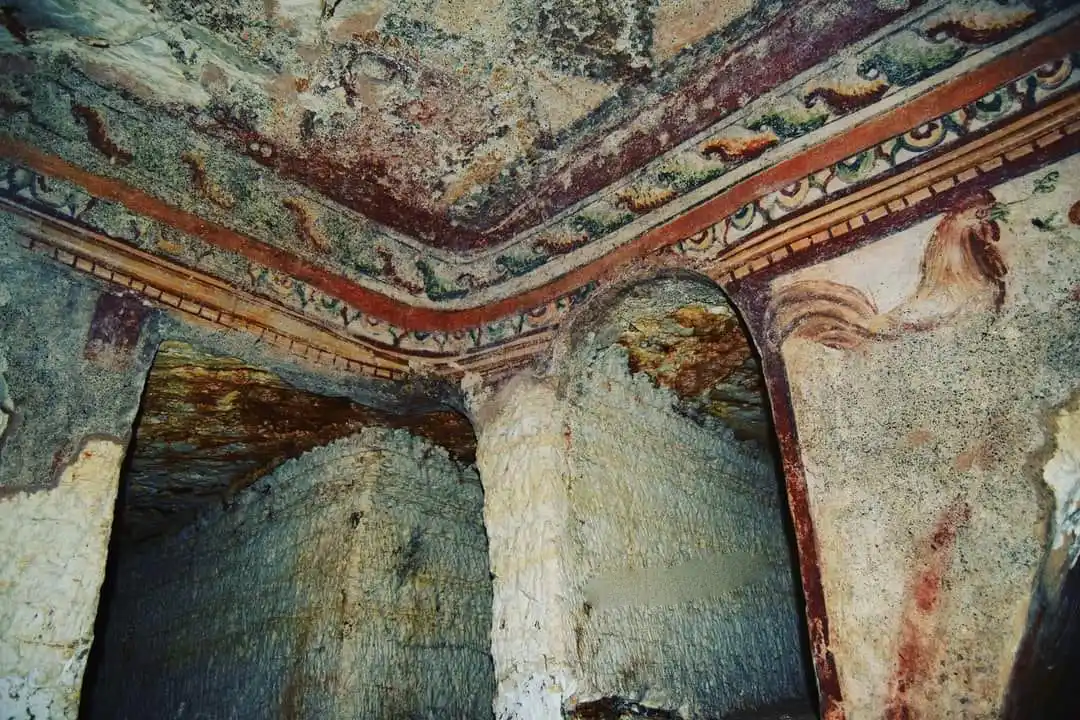
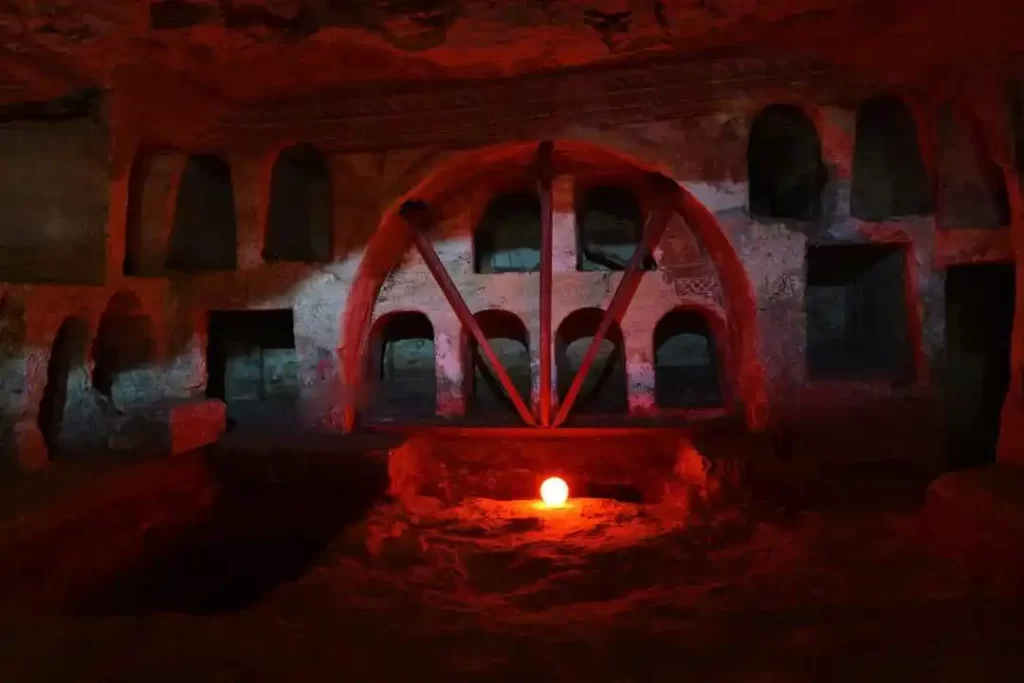
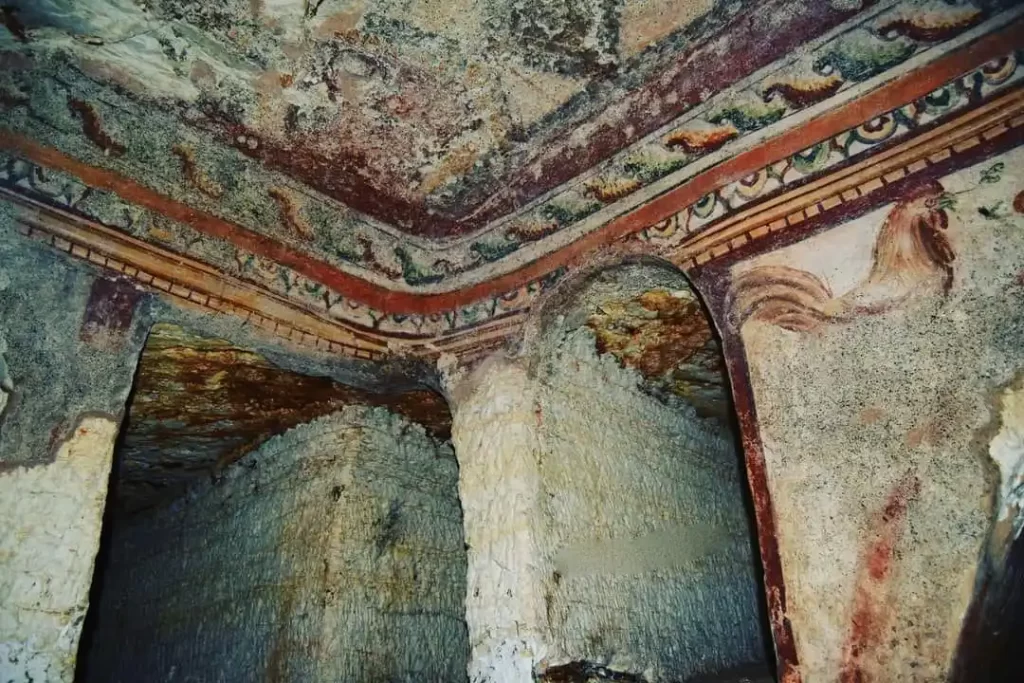
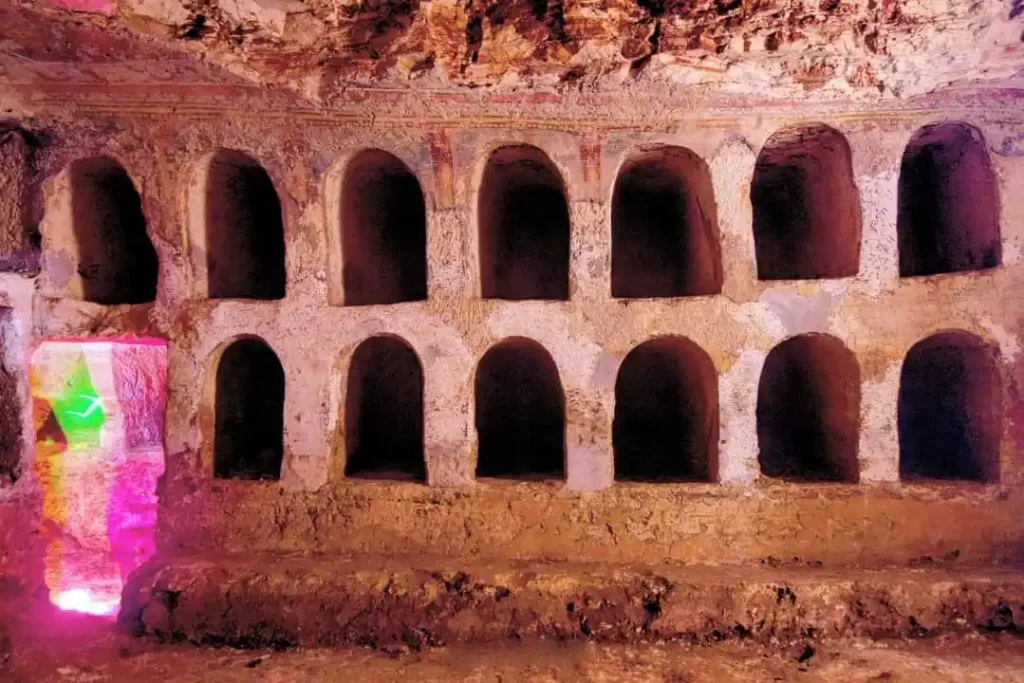
What distinguishes Abila from any other archaeological site in Jordan is what lies hidden within the mountain. Rock-carved tombs (Painted Tombs).
• Rare murals:
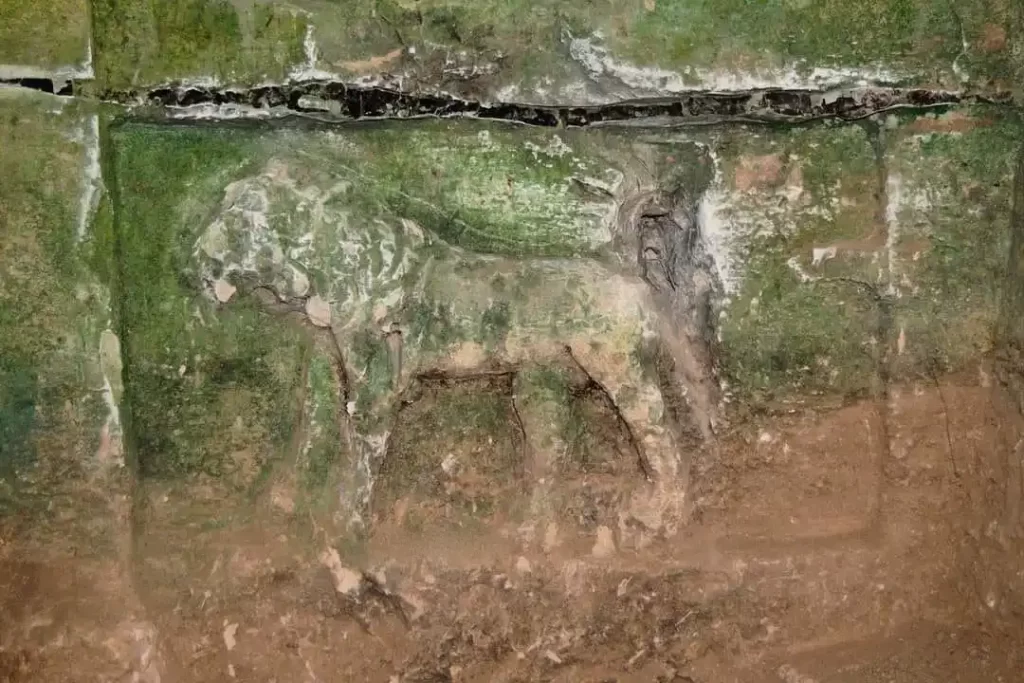
Unlike Petra, which is distinguished by its exterior facades, Abila is distinguished by its interior decorations. The caves here contain colorful murals (frescoes) dating back to the Roman era, which still retain their red, green, and blue colors with stunning clarity.
What do you imagine?
These drawings depict scenes from daily life, wreaths of flowers, and portraits of people (believed to be the tomb's occupants), as well as animals and Greek inscriptions, making entering these tombs feel like stepping into an artistic "time capsule".
3. The Great Water Tunnel of Qweilbeh
The inhabitants of Abila did not just cultivate the land above ground, but also dug underground.
• Aqueduct:
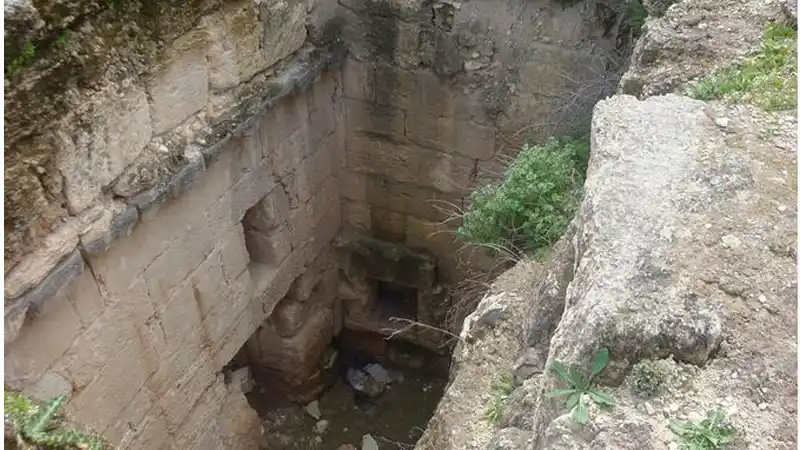
The site contains a massive rock-cut water tunnel extending for over a kilometer (and said to connect with other cities such as Gadara "Umm Qais"). This complex engineering structure was used to transport abundant spring water to supply the city and fields, and parts of it can still be walked by adventurers today.
4. Where is it located and how do you get there?
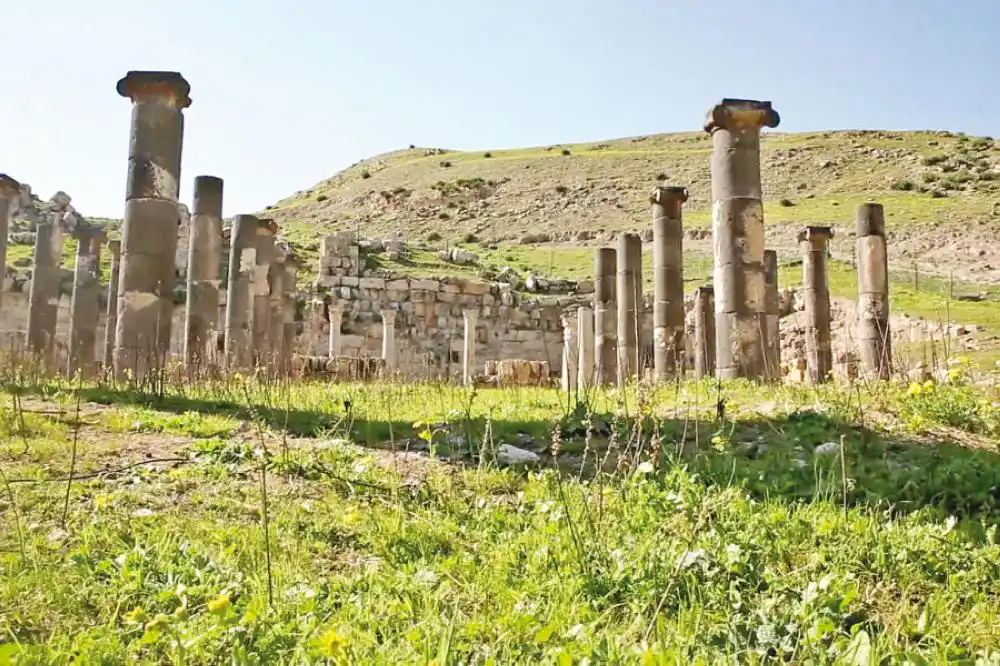
Visiting Abela is an ideal trip for lovers of nature and tranquility, especially in the spring when the region is covered with a charming green carpet.
• the site:
The city is located about 12 km north of Irbid, near the town of “Hartha”.
• Arrival from Amman:
It's about an hour and a half by car from Amman. The road heads towards Irbid, then north towards Haritha. The road itself is a beautiful excursion, passing through wheat fields and ancient olive groves.
• Tip for visitors:
The site is not fully served by tourists (there are no restaurants inside the archaeological site), so it is advisable to bring water and food and enjoy a picnic under the huge Roman olive trees that cover parts of the ancient city.
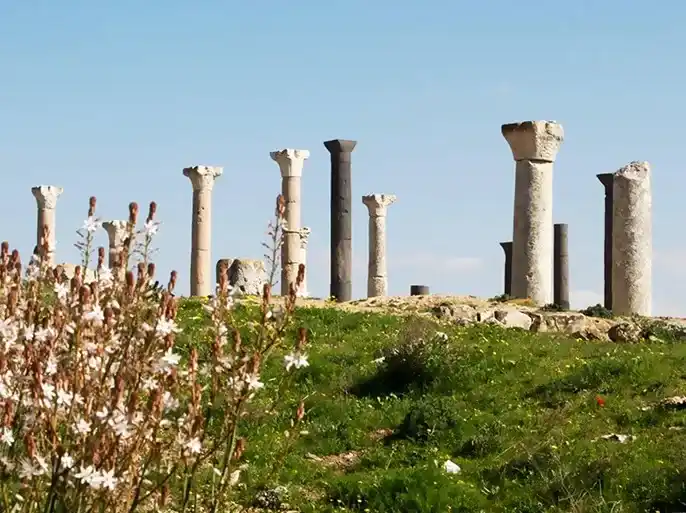
Abila is not just ancient stones, but an open-air museum that tells the story of a civilization that lived in perfect harmony with nature and water.
Geographic location
Photo Gallery
Ratings
Write a ReviewThere are no reviews yet.