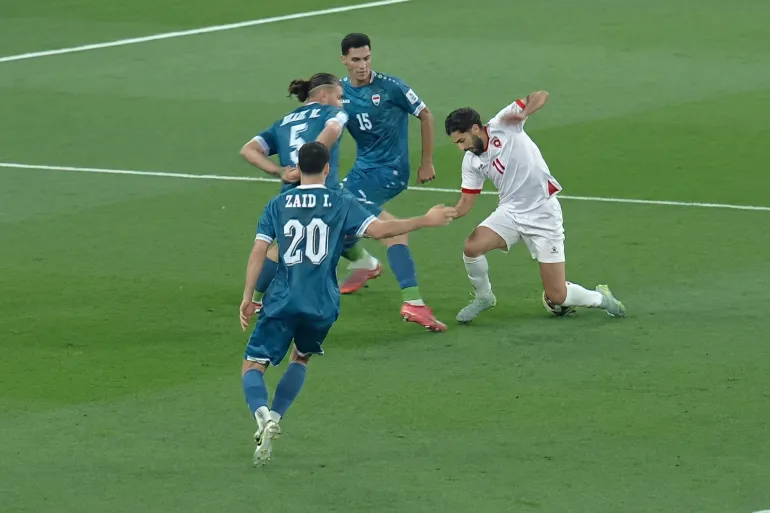
The Comprehensive Encyclopedia of Orthopedic Surgery and Sports Injury Treatment
From accurate diagnosis to return to the field: Your academic and practical guide to understanding the specialty of sports injuries and the latest surgical techniques in 2026.
Introduction: Why is sports injury specialization the future of orthopedics?
no longer a specialty orthopedic surgery Not limited to the traditional augmentative fractions, it has evolved into a comprehensive science called Sports Injury Medicine. This specialty combines biomechanical engineering with microsurgery. The goal is no longer just "healing," but "returning to peak performance.".
It depends Sports injuries A thorough understanding of how ligaments, tendons, and muscles react under high stress is crucial. Whether you're a football player changing direction rapidly or a marathon runner covering long distances, your joints are subjected to forces seven times your body weight. This is where the expertise of an orthopedic surgeon comes in, ensuring the continued functioning of this vital human machine.
Statistics that might interest you:
According to studies published in OrthoInfoCruciate ligament injuries represent more than 40% of field injuries in team sports, and require an accuracy of up to 0.5 mm in the positioning of the surgical tunnel to ensure the success of the operation.
First: Anatomy and injuries of the knee (the backbone of athletic performance)
The knee is considered the joint most prone to injury in Orthopedics. It is a complex joint that connects the femur and the tibia, and is supported by four main ligaments:
| Ligament / Cartilage | motor function | Common type of injury |
|---|---|---|
| Anterior cruciate ligament (ACL) | Prevents the leg from sliding forward and stabilizes rotation. | A complete tear resulting from a sudden stop. |
| Meniscus | Shock absorption and weight distribution. | Longitudinal tear or “basket handle”. |
| Medial collateral ligament (MCL) | Protecting the knee from external lateral forces. | A partial stretch or tear resulting from a collision. |
Anterior cruciate ligament: Modern techniques in 2026
In the past, surgery Cruciate ligament It used to rely on traditional baits, but today we use Autografts Enhanced with an "internal brace," this technique allows for passive movement to begin on the first day after surgery. This development has reduced the failure rate of procedures by 30% in younger patients.
Second: Shoulder injuries and throwing mechanics
The shoulder is the most flexible joint in the body, and this flexibility comes at the expense of stability. (In specialization) Sports injuriesWe treat shoulder injuries like engineering puzzles.
- Rotator cuff rupture: Common in sports such as tennis and weightlifting.
- SLAP Lesion: A tear in the cartilage surrounding the shoulder blade, often affecting javelin throwers and handball players.
- Chronic instability: It results from repeated dislocation and requires procedures such as the “Latarjet Procedure”.

Accurate diagnosis via high-quality magnetic resonance imaging (MRI) is the first step to success.
Third: Biotechnology and regenerative medicine in bones
We are now in the age of "biological medicine." Orthopedic surgery is no longer just about screws and metal plates. Sports injuries It is now being processed on a molecular basis:
1. Stem cell therapy is not an officially approved procedure.
It is used to treat cartilage erosion in its early stages. It is extracted from the patient's bone marrow or fatty tissue and reinjected into the affected joint to repair damaged tissue. However, this type of treatment is still experimental and under research, with no clear evidence of its effectiveness.
2. 3D Printing
In cases of complex fractures or joint deformities, we print a model that is an exact match to the patient's joint before surgery, allowing the surgeon to virtually try out the operation and prepare precise measurements for plates and screws.
3. Robotic surgery
The robot does not perform the operation in place of the doctor, but it provides extreme precision in filing the bones and placing the artificial joints, ensuring a perfect balance of the ligaments around the joint.
Fourth: The philosophy of rehabilitation and recovery (The Recovery Protocol)
Many believe that treatment ends when the patient leaves the operating room. The truth is that Sports injuries A rehabilitation plan divided into time and physiological phases is required:
Phase 1: Control
The focus is on reducing swelling and restoring passive joint movement. Cryotherapy (cold therapy) devices are used.
Phase 2: Downloading
Start isometric exercises to strengthen the surrounding muscles to ensure that muscle atrophy does not occur.
Phase 3: The Return
Balance exercises (Proprioception) and gradual running until reaching functional tests for returning to the field.
Fifth: Psychological and nutritional aspects of bone injuries
The mind and bone are inseparable. Athletes suffer from "re-injury anxiety." Part of our expertise as experts in Sports injuries It is to provide psychological support in cooperation with specialists to ensure the player's confidence in his new joint.
Nutritionally, we focus on:
- Collagen and Vitamin C: To build ligaments.
- Vitamin D and calcium: To increase the density of the fused bones.
- Amino acids: To prevent muscle breakdown during the rest period.
The most frequently asked questions in orthopedic clinics
What is the difference between an ankle sprain and a ligament tear?
Is it possible to exercise with knee osteoarthritis?
What is "endoscopy" technology and how does it work?
Additional reliable sources and references:
For more academic information, you can visit American Academy of Orthopaedic Surgeons (AAOS) Or review research Aspetar Sports Medicine Hospital.