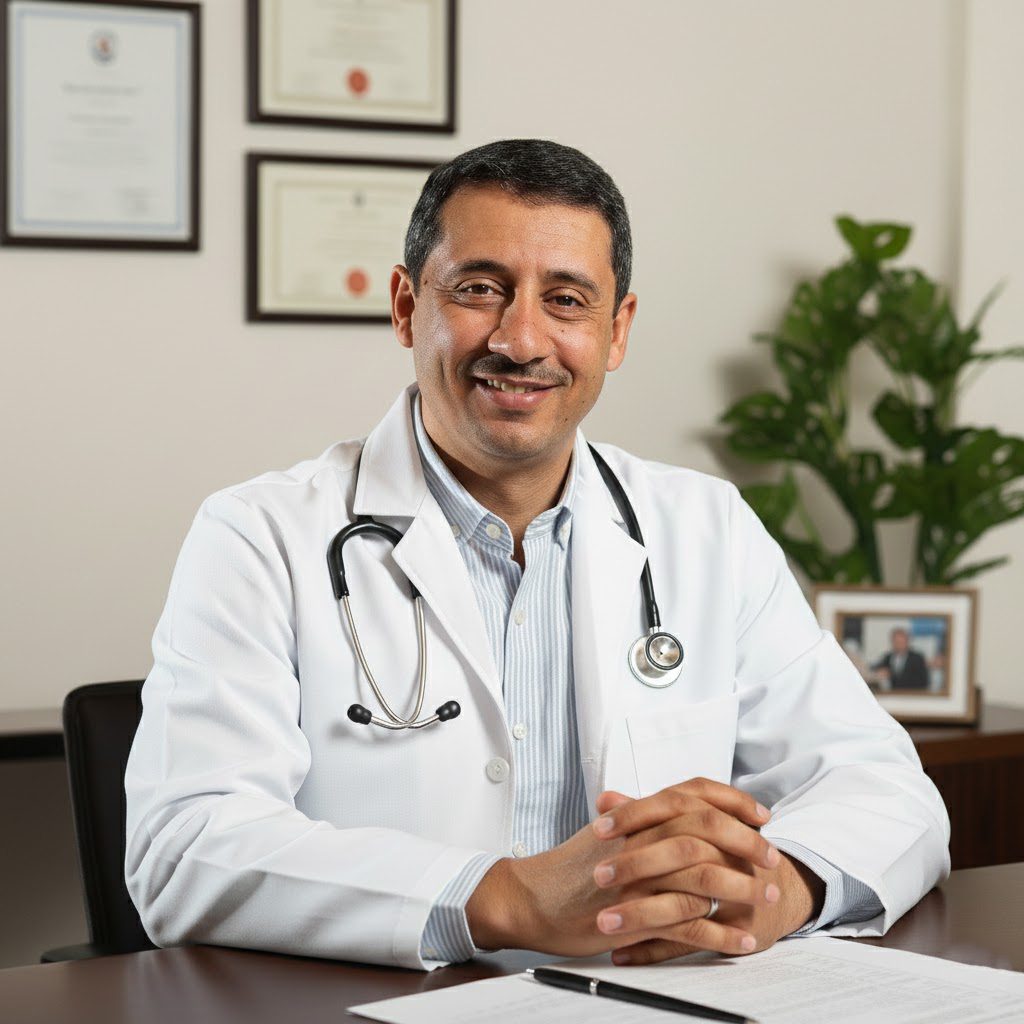
**Dr. Malek Al-Kasasbeh**: A leader in **obesity and advanced endoscopic surgeries** and a specialist in **obesity surgery revision**
It is considered **Dr. Malek Al-KasasbehOne of the leading doctors in the field of bariatric surgery and advanced laparoscopic surgery in Jordan and the region. He is distinguished by his extensive experience in dealing with various cases of morbid obesity, from mild cases to cases of extreme obesity (super-obesity) and its accompanying serious health complications such as diabetes, high blood pressure, and sleep apnea.
Dr. Al-Kasasbeh is known for his comprehensive treatment approach, which combines meticulous patient assessment, optimal surgical selection, exceptional laparoscopic expertise, and thorough post-operative follow-up to ensure the best long-term results. This approach has made him a trusted authority as a bariatric surgeon in Jordan, particularly in complex procedures such as revision surgeries for unsuccessful bariatric procedures.
🔪 Main procedures: **Gastric sleeve** and **Mini gastric bypass**
**Dr. Malek Al-Kasasbeh** specializes in performing a wide range of standard and advanced bariatric surgeries, determining the most suitable surgery for each patient based on their Body Mass Index (BMI), the presence of co-existing diseases, and medical history.
1. **Sleeve Gastrectomy**:
The most common gastric sleeve procedure is performed using advanced laparoscopic techniques. The procedure involves removing approximately 75% to 85% of the stomach, thus reducing its capacity and affecting the secretion of the hunger hormone (ghrelin). Dr. Al-Kasasbeh focuses on:
- **Reducing surgical incisions:** To ensure faster recovery and less post-operative pain.
- **Verifying the integrity of the staple line:** Using advanced techniques to verify the staple line to avoid leakage and complications.
2. **Classic and Miniature (Gastric Bypass)**:
These procedures include classic Roux-en-Y gastric bypass and mini gastric bypass. Mini gastric bypass is often preferred because it is surgically simpler and offers excellent results in treating type 2 diabetes.
- **Mini gastric bypass:** This is an excellent option for patients with diabetes and severe gastroesophageal reflux disease.
- **Metabolic Outcomes:** Bypass surgeries are characterized by a significant improvement in metabolic indicators and not just weight loss.
⚙️ Specialization: **Reconstructive Bariatric Surgery** and Hypertension
Dr. Malek Al-Kasasbeh's excellence as a bariatric surgeon in Jordan is highlighted by his handling of complex cases that require high skill and precision in planning, such as reviewing previous operations and treating severe obesity cases.
1. **Revision Bariatric Surgery**:
**Revision bariatric surgery** is considered one of the most challenging surgical procedures due to the presence of scar tissue and pre-existing anatomical changes. It is considered in cases where:
- **Insufficient weight loss (Weight Regain):** Converting sleeve gastrectomy to gastric bypass.
- **Chronic complications:** Such as severe reflux after sleeve gastrectomy (conversion of sleeve gastrectomy to a modified gastric bypass to treat reflux).
- **Technical problems:** Treatment of narrow or widened diversion openings.
2. Bariatric surgery for very high weight (**Super Obesity**):
Managing patients undergoing bariatric surgery for high weight (BMI > 50-60) requires specific protocols to minimize surgical and anesthesia risks. These cases may necessitate a two-stage surgical procedure to achieve safe outcomes.
3. Modified gastric bypass surgery for reflux control:
Patients with chronic reflux after sleeve gastrectomy require surgical route modification, and are often converted to a mini or classic route after adjusting the angle of the operation to control the reflux. This requires careful planning to ensure optimal symptom control.
📈 Integrated medical approach: comprehensive assessment and nutritional follow-up
**Dr. Malek Al-Kasasbeh** is keen to provide comprehensive medical care that is not limited to the operating room, but extends from the evaluation stage to follow-up for years after surgery, to ensure the sustainability of the results.
1. Comprehensive pre-operative assessment:
- **Laboratory tests and diagnostic imaging:** Identifying risks associated with heart, lung, and liver diseases.
- **Psychological and nutritional assessment:** To ensure that the patient is mentally and nutritionally prepared to commit to lifestyle changes after surgery.
- **Careful planning of the procedure:** Dr. Al-Kasasbeh chooses the most appropriate type of surgery based on an in-depth study of the patient's condition (for example, choosing **mini-gastric bypass** instead of **sleeve gastrectomy** if the patient has severe type 2 diabetes).
2. The role of advanced endoscopes and modern technologies:
Relying on advanced **bariatric and laparoscopic surgeries** with small incisions ensures:
- **Reducing the length of stay:** Faster patient discharge from the hospital.
- **Reducing the rate of infection:** Smaller wounds reduce the risk of infection.
- **Minimum scarring:** Better cosmetic results.
3. Nutritional and medical follow-up after surgery:
This stage is crucial to the success of the procedure. Follow-up includes:
- **Nutrition Team:** Guiding the patient on the different nutritional stages after the operation, and adhering to the necessary vitamins and supplements.
- **Regular check-up:** Monitoring vitamins, diabetes, and lipids to ensure that no deficiencies or metabolic complications occur.
📢 Community role: **Health awareness regarding obesity** and its risks
Dr. Malek Al-Kasasbeh regularly participates in providing extensive educational content, reinforcing his role in raising awareness about obesity as a societal problem that transcends aesthetics. This effort aims to:
- **Raising awareness about the dangers of obesity:** Explaining the relationship between obesity and chronic diseases such as diabetes and high blood pressure.
- **Correcting Misconceptions:** about obesity surgeries and dispelling associated fears.
- **Emphasis on the importance of lifestyle change:** Emphasizing that surgery is an aid that requires a long-term commitment to nutrition and exercise.
🛡️ Expertise in **Advanced Laparoscopic Surgery**: Hernia, Gallbladder, and Colon
Dr. Malek Al-Kasasbeh's expertise extends to the fields of advanced laparoscopic surgery in general surgery, providing comprehensive patient care before or after bariatric surgeries.
- **Laparoscopic Hernia Surgery:** Treatment of inguinal and umbilical hernias using minimally invasive techniques to ensure the fixation of a strong mesh with a short recovery period.
- **Laparoscopic Gallbladder and Colon Surgery:** Gallbladder removal to treat gallstones, and performing some colon surgeries, ensuring minimal pain and scarring.
✅ Summary: **Dr. Malek Al-Kasasbeh:** A choice of trust and sustainable results
Dr. Malek Al-Kasasbeh is a leading surgeon in the field of bariatric and advanced laparoscopic surgery. With his expertise in gastric sleeve and mini-gastric bypass procedures, and his specialization in complex cases such as bariatric surgery revision, Dr. Al-Kasasbeh offers his patients not only a successful surgical procedure, but also a comprehensive recovery program and sustainable weight loss.
His commitment to **obesity health awareness** and his use of **bariatric surgery for high weight** confirm his role as a **bariatric surgeon in Jordan** who provides comprehensive and reliable solutions.
Frequently asked questions about **Dr. Malek Al-Kasasbeh**
What is the difference between **gastric sleeve** and **mini gastric bypass**?
**Gastric sleeve surgery** relies on reducing the size of the stomach only, while **mini gastric bypass surgery** changes the path of food, reducing absorption and is more effective in treating diabetes and gastroesophageal reflux.
Does Dr. Al-Kasasbeh specialize in **repairing unsuccessful obesity surgeries**?
Yes, specializing in **obesity surgery revision** is one of his most prominent areas of expertise, where he transforms operations that did not achieve the goal (such as sleeve gastrectomy) into more effective operations (such as gastric bypass).
What is the importance of nutritional follow-up after surgery?
Nutritional follow-up after surgery is vital, as it helps the patient adapt to the new stomach, avoid vitamin deficiencies, and ensure adherence to the lifestyle changes necessary to sustain the results. The process.